
Industrial manufacturing (tyres)
Large multinational
AI optimisation engine (OR-Tools), decision-support systems
Machine operators, production teams
Cognitive load reduction, autonomy, human-AI teaming
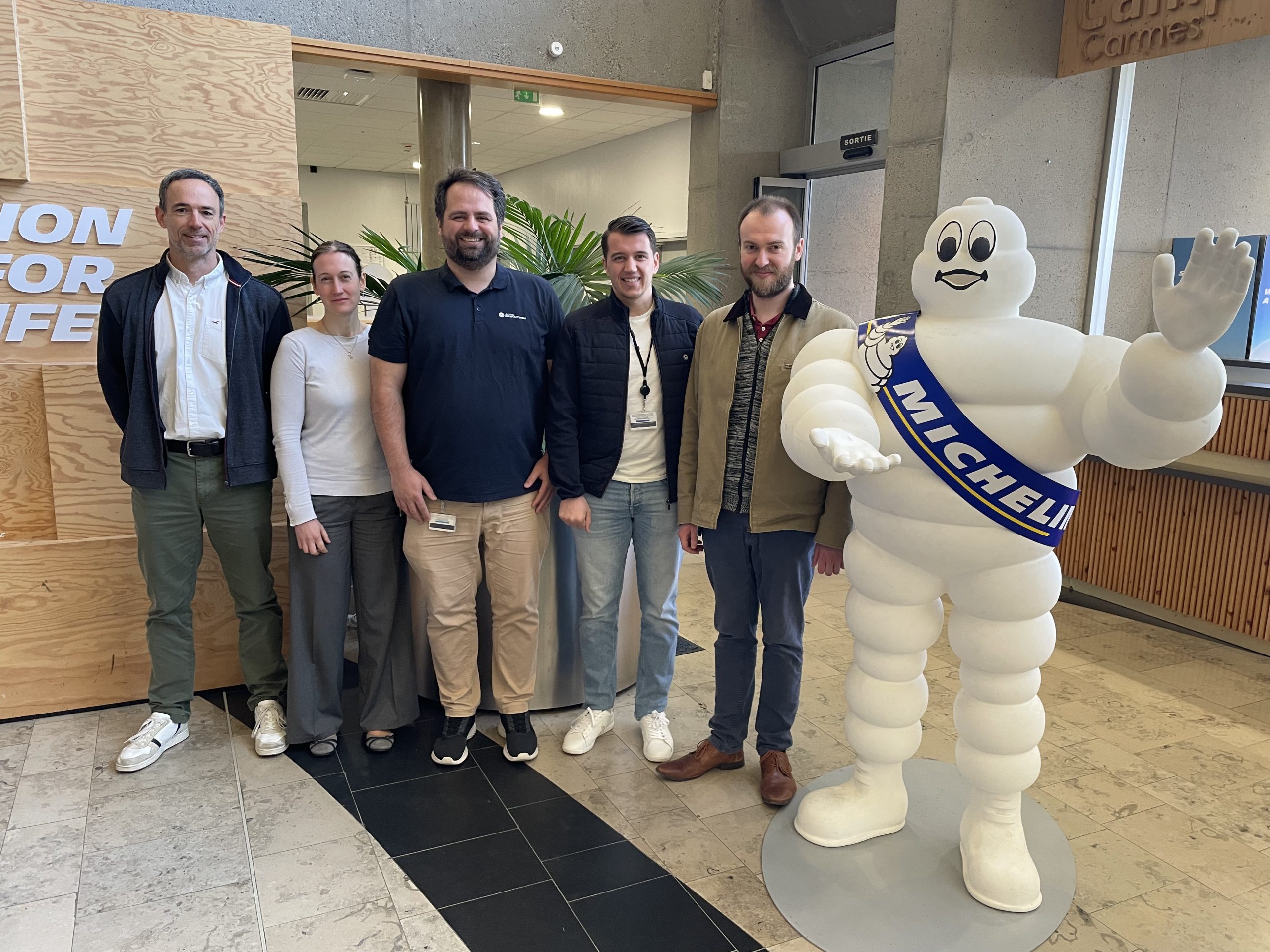
Michelin is a French multinational specialising in tyre manufacturing and advanced mobility solutions, operating highly complex industrial production systems. On the shop floor, operators manage multiple tasks, monitor machine status, coordinate with colleagues and respond to frequent changes. As processes become more complex, performance increasingly depends on combining advanced computation with human expertise.
Within SEISMEC, Michelin is developing a human-centric scheduling and decision-support tool that supports operator judgement rather than replacing it. The tool is designed to remain in the background, offering clear proposals while leaving final decisions to people.
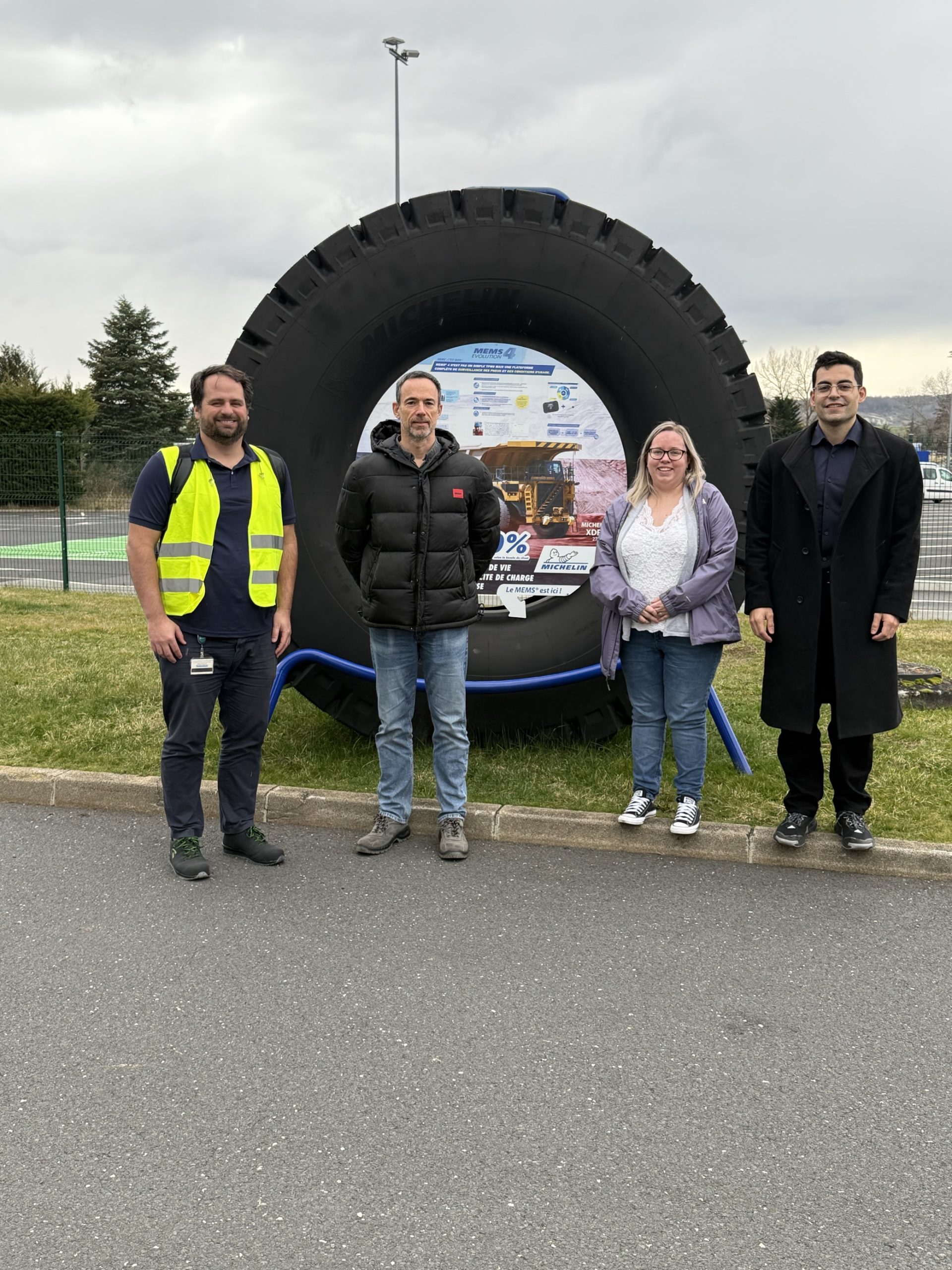
The pilot develops a constraint‑optimisation engine based on OR‑Tools, using CP‑SAT and routing solvers to generate near‑optimal schedules, task assignments, and routing proposals under real manufacturing constraints. The system ingests operational inputs such as machine capacities, priorities, time windows, and production limitations, and then produces short‑term planning recommendations.
The Optimiser does not impose decisions. Instead, it provides proposals that operators can accept, adjust, or reject, drawing on their experience and contextual knowledge that cannot be fully formalised.
At this stage, the technology is deployed on machines in the plant in real time for data collection and validation. This enables the team to observe system behaviour under operational conditions, identify issues, and refine functionalities. Weekly technical meetings between Michelin and UCC support rapid iteration. Active daily use by operators has not yet begun, with the first operational prototype expected shortly.
Worker input is integral to the development process. The UCC team conducted an on‑site visit and held four co‑design workshops with fifteen members of the plant staff. Through interviews, brainstorming sessions, and collective reflection, workers described workflow challenges, identified opportunities for improvement, and helped shape the system requirements.
One key insight was the importance of combining forward‑looking schedules – covering the next 30 to 60 minutes – with short retrospective summaries of the previous hour. This approach supports shared situational awareness, enhances coordination, and facilitates reflection.
The tool is designed to support operators responsible for managing large, highly automated machines, which often cover an area of around 500 m². It will offer a coherent overview of priorities and timings over short planning horizons, helping operators organise tasks and coordinate effectively with colleagues. Structured feedback mechanisms are planned during deployment to ensure that worker experience continues to inform and guide future iterations.
This pilot applies Industry 5.0 in practical terms, combining optimisation technology with human judgement to support autonomy, clarity and resilient industrial decision-making.
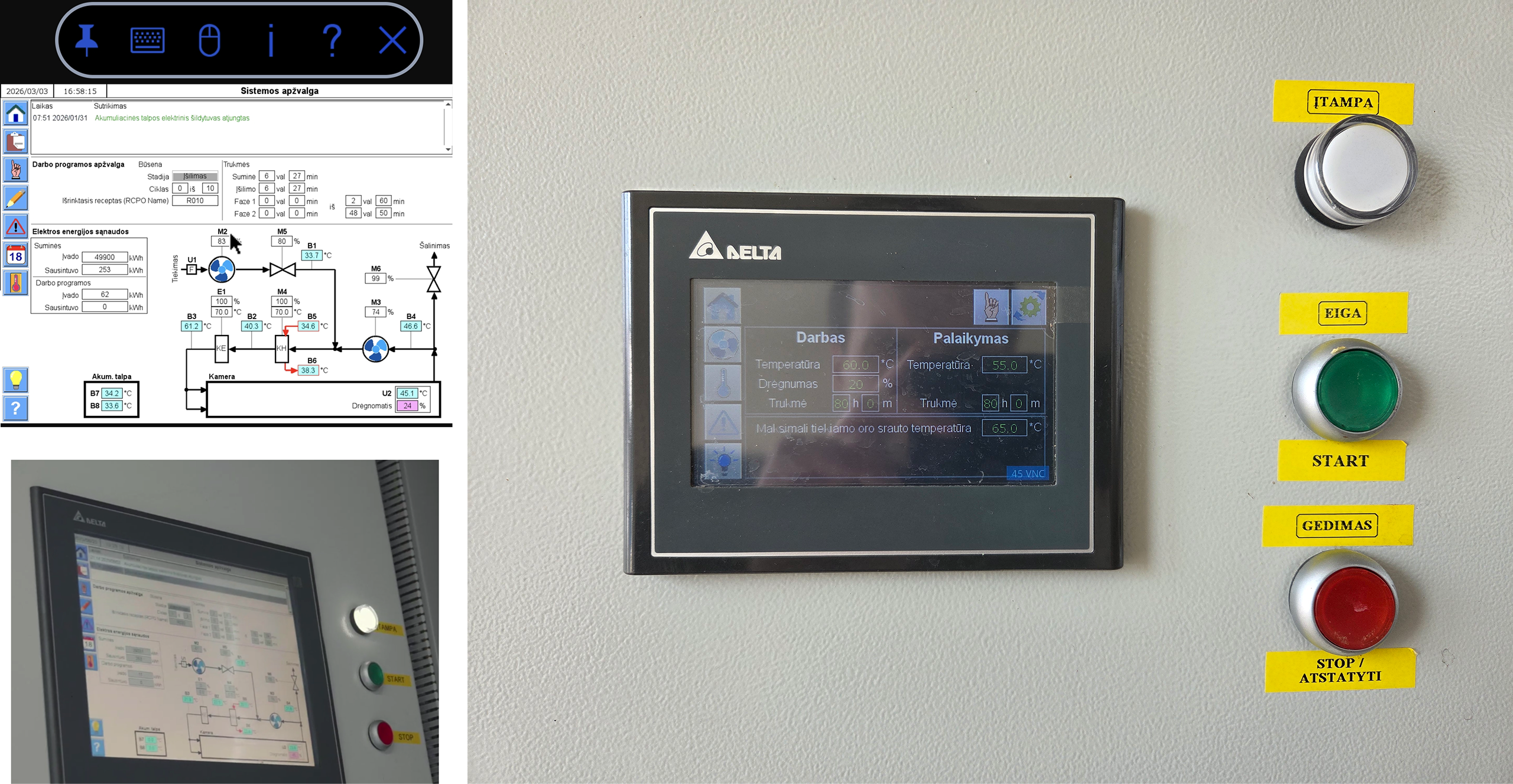
The pilot redesigns work processes using AI, IoT and related tools to increase autonomy, reduce mental load and support better decisions. Technically, Kvalitetas is exploring AI (publicly available in the market) and IoT solutions alongside Manufacturing and Warehouse (integrated into RIVILE GAMA software), Odoo CRM (with AI functionality) Systems to support both management and manufacturing activities.
The tools aim to improve monitoring of production parameters, support inventory and material balance management, improve routine administrative and planning tasks, and strengthen food safety implementation. AI-based tools are also being explored for marketing and communication, including the creation of promotional and educational content that translates scientific and biological product information into accessible messages for consumers interested in functional nutrition and personalised diets.
SEISMEC CAPS factors guide choices and assessment, keeping creativity, automation, productivity, safety and job satisfaction in view.