
Tourism management
SME / regional innovation actor
IoT footfall sensors, data dashboards, decision-support systems
Destination managers, tourism staff
Sustainable tourism, collaborative decision-making
The FLOWS Zeleni kras pilot is led by Arctur with RRA Zeleni kras / Green Karst, the Regional Destination Organisation for one of Slovenia’s most ecologically and culturally sensitive regions. The destination includes dispersed attractions and fragile natural and cultural sites, supported by many small tourism providers. Seasonality and uneven visitor distribution create strong peaks in some places while other areas remain underused.
Before SEISMEC, destination management relied on fragmented data, manual coordination and reactive decisions. Sudden visitor surges increased pressure on infrastructure, staff and sensitive sites, leading to unpredictable workloads, stress and lower job satisfaction. FLOWS treats visitor management as a human-centric, data-supported and collaborative practice that balances environmental protection, visitor experience and worker well-being.
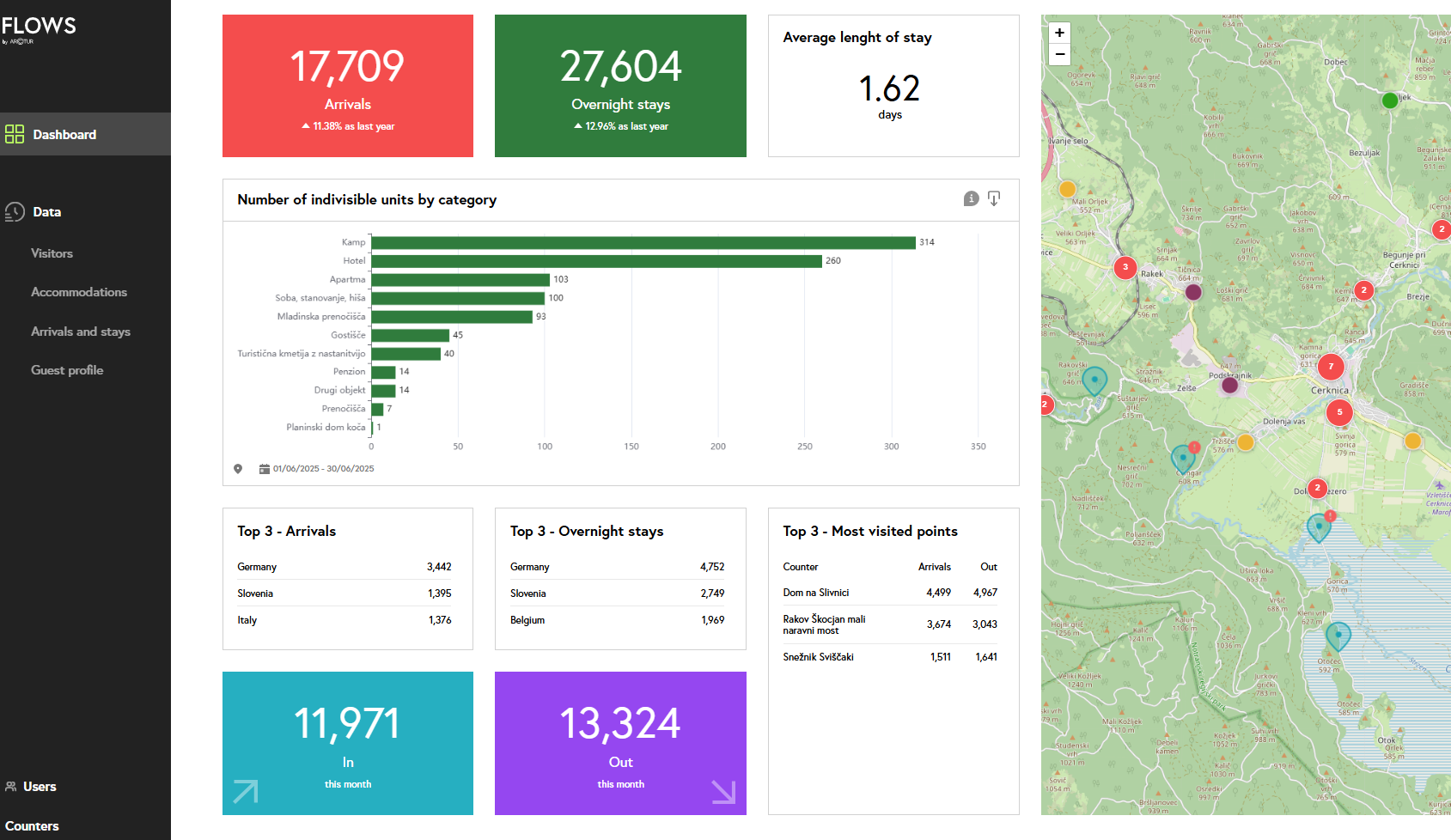
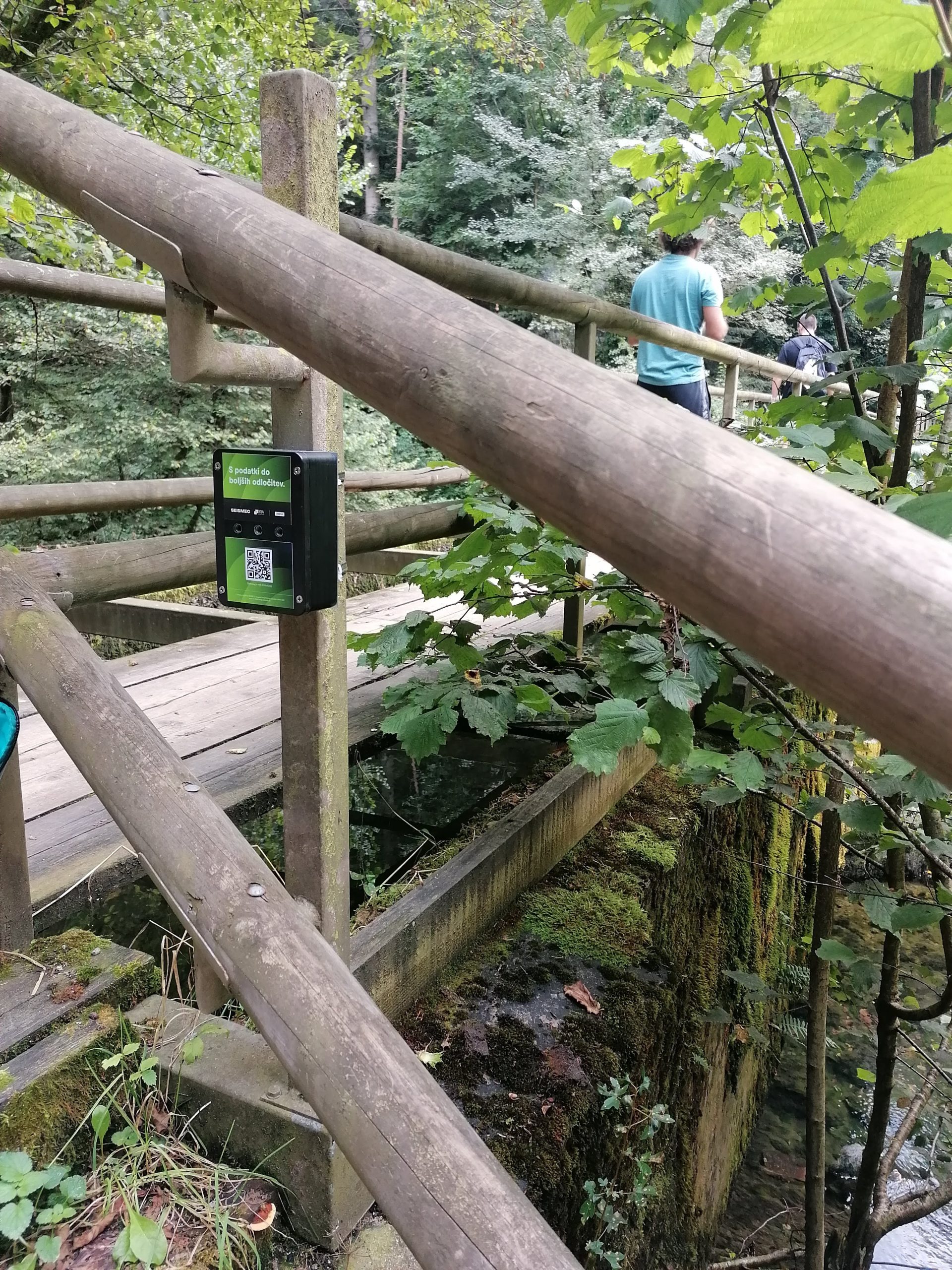
The pilot deploys outdoor IoT footfall sensors at key locations such as hiking trails, natural attractions and cultural sites. The sensors provide real-time data on visitor numbers and movement patterns, helping identify congestion hotspots early.
Data feeds a destination management dashboard that is being progressively enriched with sources such as weather conditions, traffic flows and daily visitor statistics. This supports proactive flow management, helping redistribute demand and improve resource allocation. Data is anonymised and processed in line with GDPR principles.
Workers and local stakeholders contribute through co-design workshops and iterative feedback. They help define data use cases, test early dashboard versions and shape how insights translate into daily operational decisions. Local knowledge and professional judgement remain central.
Destination managers use flow insights to plan staffing, guide visitors and coordinate with municipalities and providers. Frontline staff, including tourism information centres, can direct visitors towards less crowded alternatives, reducing pressure during peaks and improving service quality.
Early barriers included privacy concerns from some data providers and different levels of digital literacy. These were addressed through transparent communication, GDPR-compliant design choices, and tailored training and support.
This pilot applies Industry 5.0 in practical terms, using human-centric, privacy-aware data tools to support sustainable tourism and better working conditions in a sensitive destination.
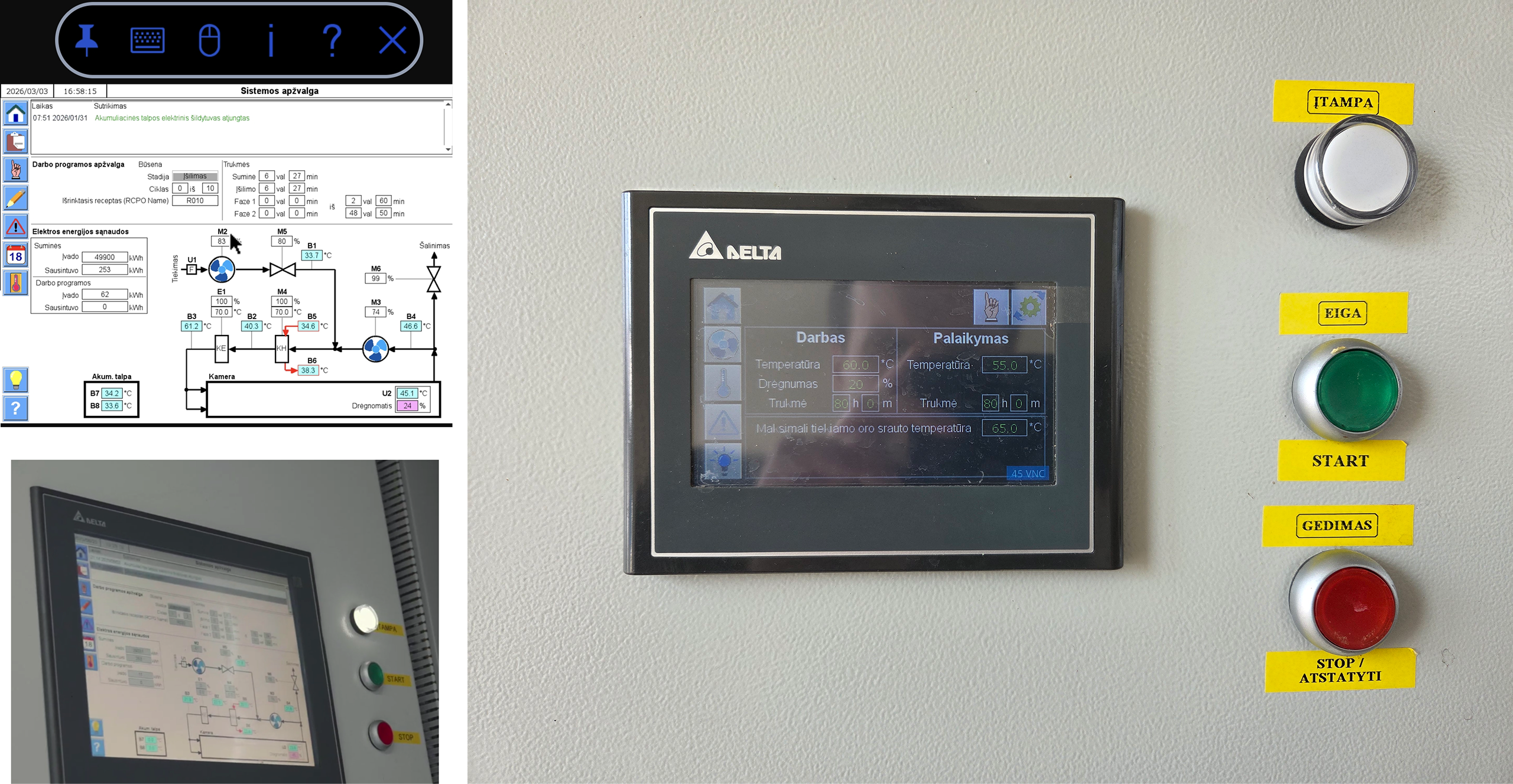
The pilot redesigns work processes using AI, IoT and related tools to increase autonomy, reduce mental load and support better decisions. Technically, Kvalitetas is exploring AI (publicly available in the market) and IoT solutions alongside Manufacturing and Warehouse (integrated into RIVILE GAMA software), Odoo CRM (with AI functionality) Systems to support both management and manufacturing activities.
The tools aim to improve monitoring of production parameters, support inventory and material balance management, improve routine administrative and planning tasks, and strengthen food safety implementation. AI-based tools are also being explored for marketing and communication, including the creation of promotional and educational content that translates scientific and biological product information into accessible messages for consumers interested in functional nutrition and personalised diets.
SEISMEC CAPS factors guide choices and assessment, keeping creativity, automation, productivity, safety and job satisfaction in view.