
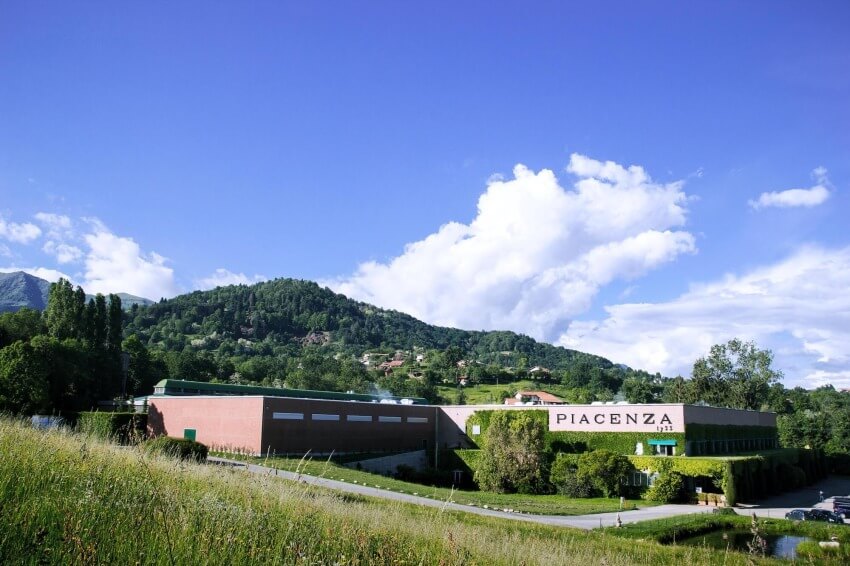
Fratelli Piacenza S.p.A. is a historic Italian luxury wool mill producing premium fabrics made exclusively from natural fibres for leading luxury brands. Founded in 1733, it remains the property of the Piacenza family. Fratelli Piacenza is the leading company of Piacenza Group, which includes Lanificio Cerruti and Lanificio Piemontese, all located in the Biella area in North-West Italy, where the entire production is made.
The production of Piacenza is defined by high value, small and fragmented batches, extensive customisation and strict quality standards. Around one million metres of fabric pass through more than seventy production steps each year, and quality inspection is performed entirely by hand, twice along the production chain. Within this context, quality control is both a strategic asset and a bottleneck. Natural fibres vary, finishing treatments change, and styles evolve quickly. Automated inspection tools built for standardised fabrics do not meet the aesthetic sensitivity required in luxury textiles. Within SEISMEC, Fratelli Piacenza is testing a human-centric approach where AI supports defect detection while expert inspectors keep full authority.
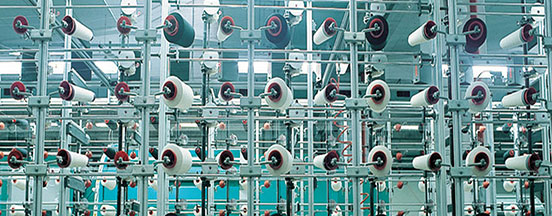
The pilot deploys AI-based defect detection using computer vision and machine learning, built in a modular architecture that can run on cloud infrastructure or on-site. The approach is human-in-the-loop by design: AI flags potential defects and patterns, while final validation remains with expert inspectors.
Pilot scope and hardware
The current pilot is designed to collect sufficient labelled images to train the AI model. The full production system will use two cameras and two illuminators, extending coverage to the entire fabric width at the same image quality and resolution.
The pilot starts with plain 2D single-colour fabrics, the simplest and most controlled case, but the architecture is designed to scale progressively to patterned fabrics and 3D constructions as the model matures.
How defects are signalled
For the AI to learn, operators must actively signal each defect they detect, specifying the defect type. This human input is what enables the system to associate the correct visual pattern with the correct label, building a usable training dataset from real production.
Two interaction modalities are being evaluated:
Voice input: the operator speaks the defect type aloud, and the system records it alongside the corresponding image frames.
Touch keyboard: a dedicated touchscreen displays defect categories; the operator taps the relevant one.
The final modality will be selected based on operator preference and line ergonomics. Either way, this step keeps the inspector in control: the system does not decide what is a defect — it only records what the expert identifies.
Continuous learning from production data
The AI training follows production-grade methodology, not a simplified or temporary model. This ensures that the pilot builds genuine capability that can carry over into the full production system.
Accuracy and precision are expected to improve over time as more labelled images accumulate. The more training data collected during the pilot, the better the model will perform in production.
Inspector feedback also shapes the model: when inspectors correct AI outputs or validate borderline cases, those interactions become training signal, progressively aligning the system with professional judgement rather than generic defect rules.
Co-design and workplace innovation methods guide implementation. Inspectors participate in workshops, test early prototypes and provide iterative feedback. Their expertise is used to annotate data, validate AI outputs and define what counts as acceptable quality, ensuring the system reflects professional judgement rather than generic defect rules.
Current work includes mapping quality-control processes in detail, collecting and annotating images from real production, and tuning models to reflect changing styles and finishes.
During inspection, the system continuously captures images. When an operator identifies a defect, they signal it to the system, by voice or touchscreen, specifying the type. The system records the corresponding image frames, which are later processed to extract the relevant defect images for AI training.
As the model matures, AI provides visual support by highlighting areas that may require attention. Inspectors decide what is acceptable and what is a defect, and they can correct the system and provide feedback. Human-centric interfaces, including augmented reality visual overlays and mobile tools, aim to make AI support transparent and adjustable, reduce cognitive and visual strain, and support trust through explainability.
Early trials point to reduced visual fatigue, stress and cognitive load. Challenges remain, especially in building trust in early outputs and handling high variability with limited labelled data. The gradual, participatory approach is used to manage these constraints.
The feasibility study confirmed that the optical system can reliably detect defects in a range of cases. However, initial tests were conducted with one sample per defect type, and performance may vary under production conditions that differ significantly from those samples.
At this stage, it is not yet possible to provide quantitative KPIs for precision and accuracy. These metrics will be reported at the end of the pilot, once sufficient real-production data has been collected and the model trained on it. The pilot report will also define the steps and requirements for transition to full production.
Structural metalwork supporting the optical system may need to be adapted to accommodate the dual-camera configuration required for full-width coverage in production.
This pilot applies Industry 5.0 in practical terms, using human-centric AI to support craftsmanship, well-being and quality in luxury textile production.
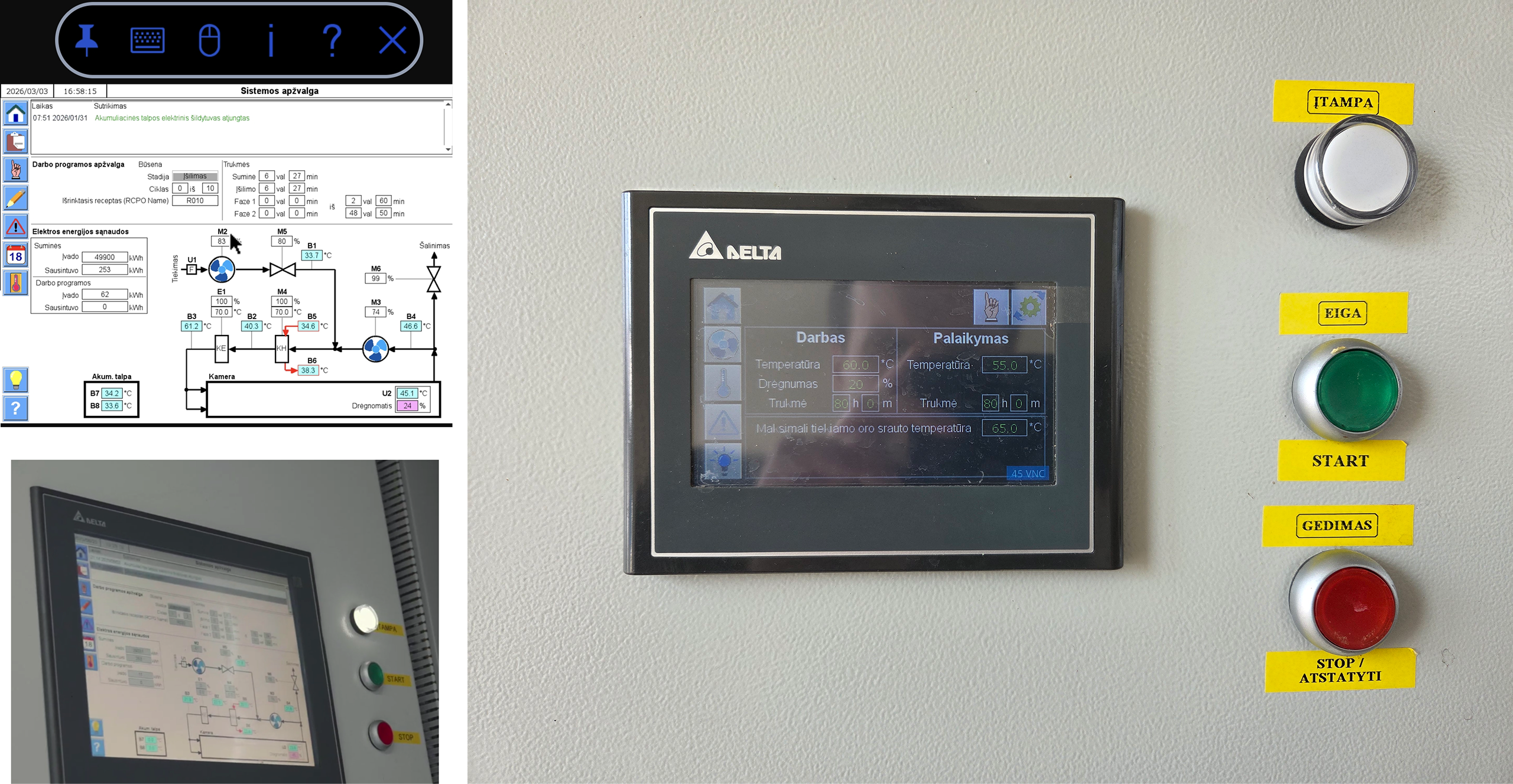
The pilot redesigns work processes using AI, IoT and related tools to increase autonomy, reduce mental load and support better decisions. Technically, Kvalitetas is exploring AI (publicly available in the market) and IoT solutions alongside Manufacturing and Warehouse (integrated into RIVILE GAMA software), Odoo CRM (with AI functionality) Systems to support both management and manufacturing activities.
The tools aim to improve monitoring of production parameters, support inventory and material balance management, improve routine administrative and planning tasks, and strengthen food safety implementation. AI-based tools are also being explored for marketing and communication, including the creation of promotional and educational content that translates scientific and biological product information into accessible messages for consumers interested in functional nutrition and personalised diets.
SEISMEC CAPS factors guide choices and assessment, keeping creativity, automation, productivity, safety and job satisfaction in view.