
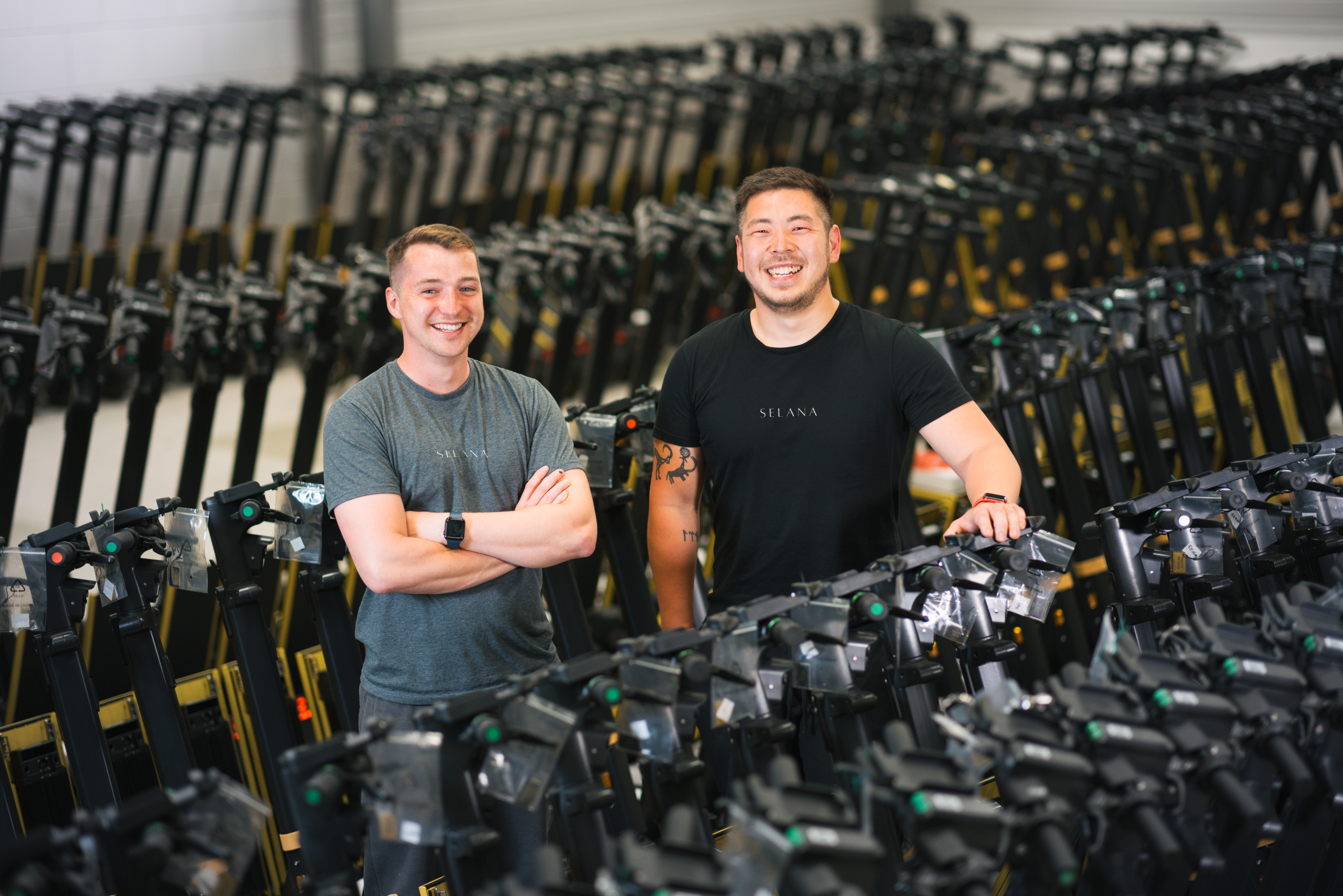
SELANA manufactures electric scooters and developed the first fully legal e-scooter for the Dutch market. Operating in a highly regulated mobility sector, the company places strong emphasis on safety, compliance and product quality. A central part of this is an extensive quality handbook with detailed procedures that must be followed throughout production to ensure conformity of production and regulatory compliance.
Within SEISMEC, SELANA is testing a human-centric AI chatbot to make that handbook usable in real time. The goal is to reduce the effort of finding the right procedure at the right moment, support confident decisions on the line, and maintain consistently high quality with humans firmly in the loop.
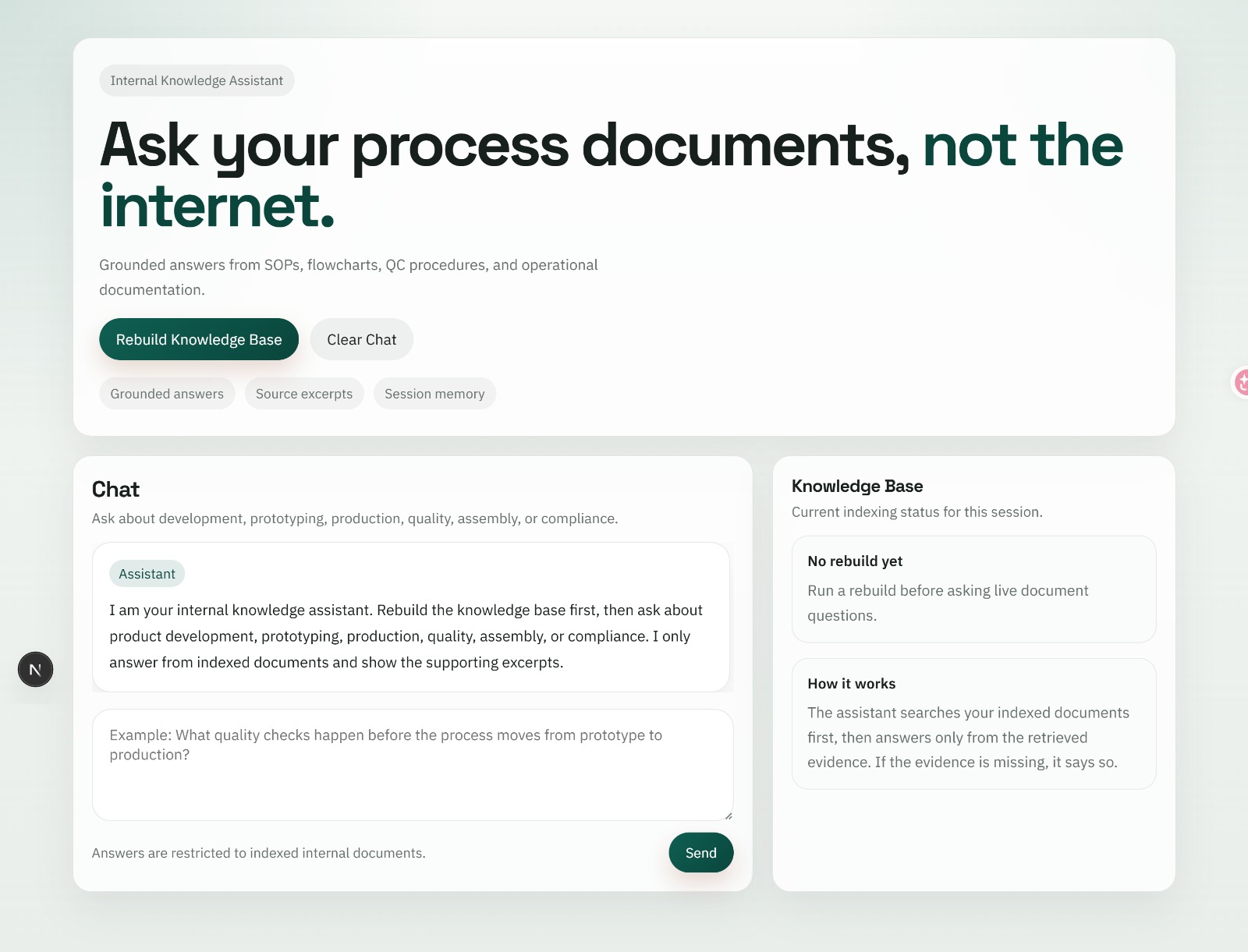
The pilot centres on an AI-based compliance chatbot designed to support engineers and quality staff as they apply the quality handbook in daily work. The chatbot acts as an assistant that provides context-specific guidance, explains why procedures matter, and links each answer to the relevant handbook or regulatory reference.
A key design requirement is traceability and robustness. The system is being designed to prevent hallucinations by ensuring responses are grounded in verified sources and clearly cited. Role-based access, GDPR compliance and transparent sourcing are treated as core constraints, not add-ons.
Beyond quick answers, the chatbot also supports reflective use. Workers can ask “what-if” questions and raise improvement suggestions within regulatory boundaries, supporting continuous improvement rather than simple box-ticking.
Conformity of Production engineers and quality staff are actively involved in shaping the system. They provide feedback on what questions arise on the floor, what formats are most usable, and where explanations need more context. They can also annotate or challenge chatbot outputs, which helps improve the system and keeps accountability clear.
During production, an engineer can query the chatbot in context, aligned with the stage of manufacturing. The chatbot returns a structured answer on what must be done, why the step is required, and how it relates to safety, quality and compliance. This supports on-the-spot decisions while keeping the worker present on the factory floor.
The worker remains responsible for validating outcomes. The chatbot supports interpretation and reduces the friction of searching through documentation, which helps reduce cognitive load without removing human agency.
This pilot applies Industry 5.0 in practical terms, using traceable, human-in-the-loop AI to support compliance, autonomy and quality in e-mobility manufacturing.
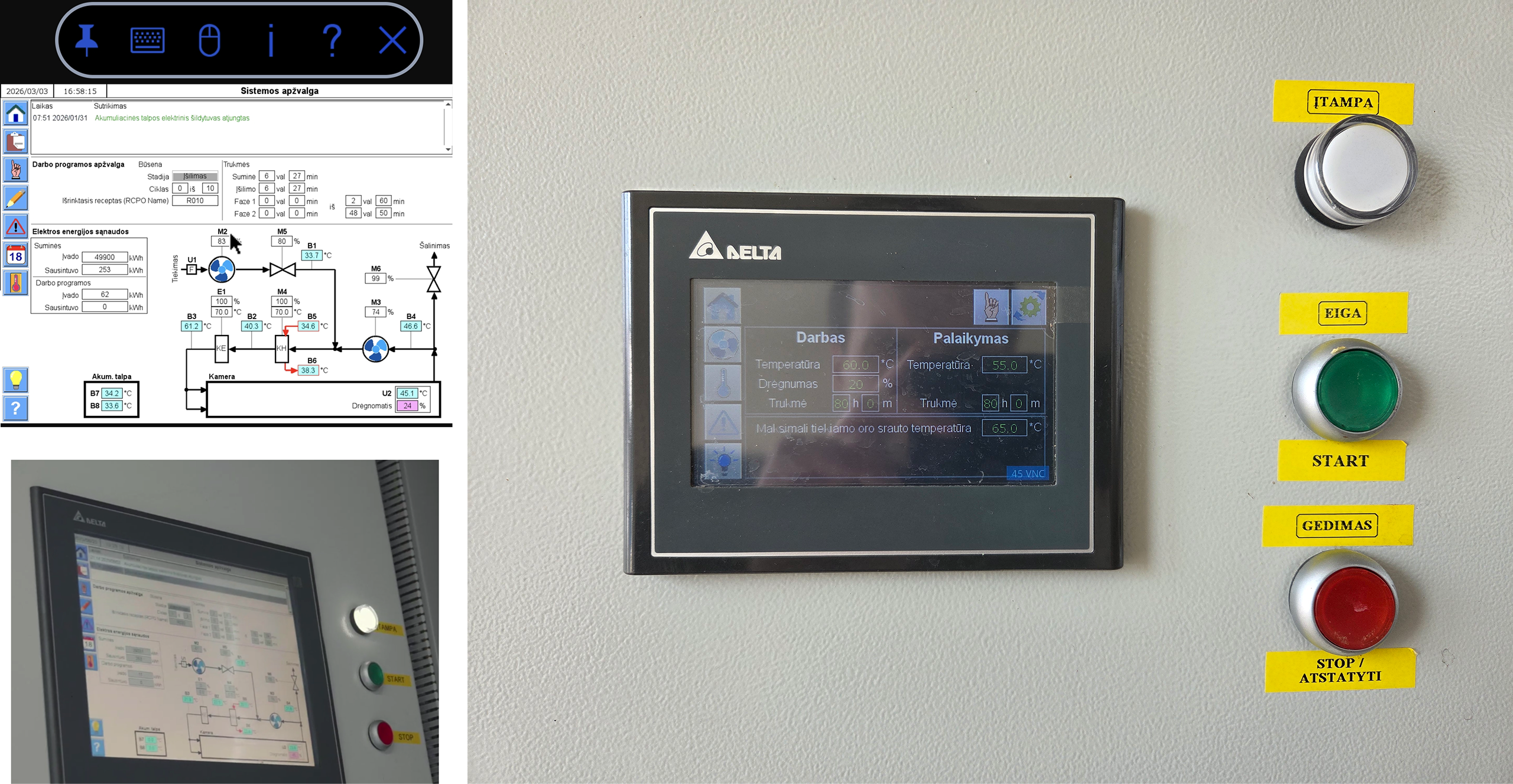
The pilot redesigns work processes using AI, IoT and related tools to increase autonomy, reduce mental load and support better decisions. Technically, Kvalitetas is exploring AI (publicly available in the market) and IoT solutions alongside Manufacturing and Warehouse (integrated into RIVILE GAMA software), Odoo CRM (with AI functionality) Systems to support both management and manufacturing activities.
The tools aim to improve monitoring of production parameters, support inventory and material balance management, improve routine administrative and planning tasks, and strengthen food safety implementation. AI-based tools are also being explored for marketing and communication, including the creation of promotional and educational content that translates scientific and biological product information into accessible messages for consumers interested in functional nutrition and personalised diets.
SEISMEC CAPS factors guide choices and assessment, keeping creativity, automation, productivity, safety and job satisfaction in view.