
Frozen food manufacturing
Large industrial enterprise
Automated Guided Vehicles (AGVs), fleet management software
Palletisers, forklift operators, AGV supervisors
Ergonomics, safety, automation with human oversight
Barba Stathis, founded in 1969, is the market leader in frozen vegetables and ready meals in Greece. Based in Thessaloniki, the company operates modern production facilities where internal logistics are essential for efficiency, safety and product integrity.
Within SEISMEC, Barba Stathis is introducing automated guided vehicles (AGVs) to improve internal pallet movement in a way that protects health and safety and supports better job quality. The focus is collaborative automation with human oversight, not labour substitution.
The pilot integrates laser-guided AGVs with predefined but optimisable routes and advanced safety sensors that stop the vehicle immediately if a person enters its path. The AGV system is integrated with conveyors, fast doors and the Warehouse Management System, supporting a continuous internal logistics flow.
Fleet management software and mission control algorithms coordinate multiple AGVs and optimise routes based on production needs. Workers interact through a human-machine interface to monitor performance, receive alerts and intervene when needed. Automation takes over repetitive and physically heavy tasks, while people retain oversight, decision-making authority and responsibility for optimisation.
The pilot follows a participatory approach from the earliest stages. Operators and maintenance technicians contribute to defining operational requirements and shaping how the technology fits the facility’s spatial layout, work routines and safety needs.
Monthly co-design meetings bring workers, technicians and project teams together to review progress and refine implementation choices. Bi-weekly sessions support continuous improvement, including practical adjustments such as refining AGV paths to reduce congestion during shift changes.
The AGV system is still under implementation, so measurable changes in daily work are not yet recorded. However, the planned shift is clear. Workers who previously carried out heavy manual logistics tasks will move towards supervisory and value-added activities as AGV Supervisors. They will monitor fleet performance via the interface, respond to irregularities, support minor issue resolution and contribute to route and schedule optimisation based on shop floor knowledge.
Key points to manage include building confidence with digital interfaces, adapting to new technical responsibilities, and keeping human-robot collaboration safe, transparent and predictable.
This pilot applies Industry 5.0 in practical terms, using human-centric automation to improve safety, job quality and operational resilience in frozen food manufacturing.
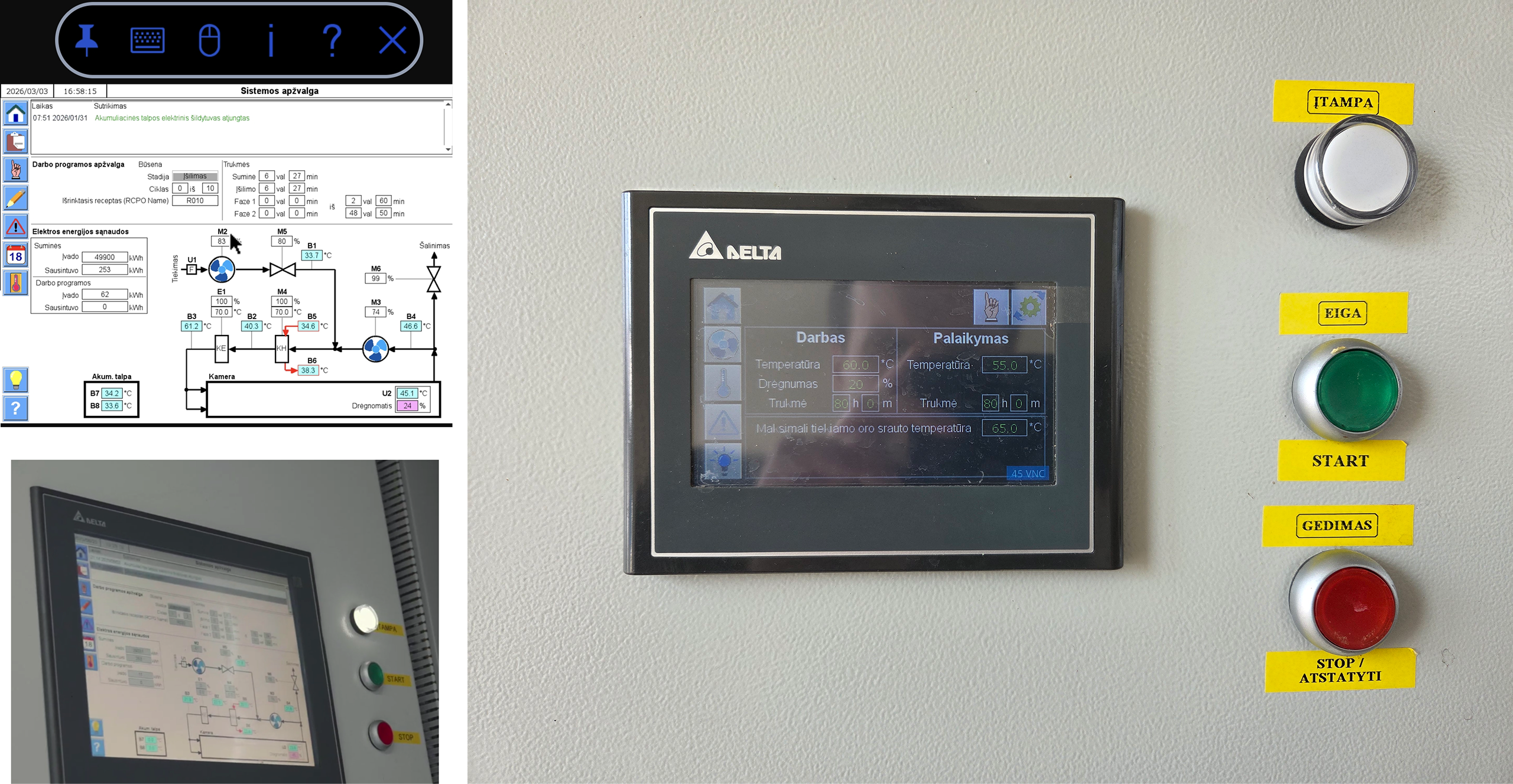
The pilot redesigns work processes using AI, IoT and related tools to increase autonomy, reduce mental load and support better decisions. Technically, Kvalitetas is exploring AI (publicly available in the market) and IoT solutions alongside Manufacturing and Warehouse (integrated into RIVILE GAMA software), Odoo CRM (with AI functionality) Systems to support both management and manufacturing activities.
The tools aim to improve monitoring of production parameters, support inventory and material balance management, improve routine administrative and planning tasks, and strengthen food safety implementation. AI-based tools are also being explored for marketing and communication, including the creation of promotional and educational content that translates scientific and biological product information into accessible messages for consumers interested in functional nutrition and personalised diets.
SEISMEC CAPS factors guide choices and assessment, keeping creativity, automation, productivity, safety and job satisfaction in view.