
Airport operations
Medium–large infrastructure operator
AI vision, mobile apps, GPS-based inspection tools
Airport safety inspectors
Runway safety, regulatory compliance, human-AI decision support
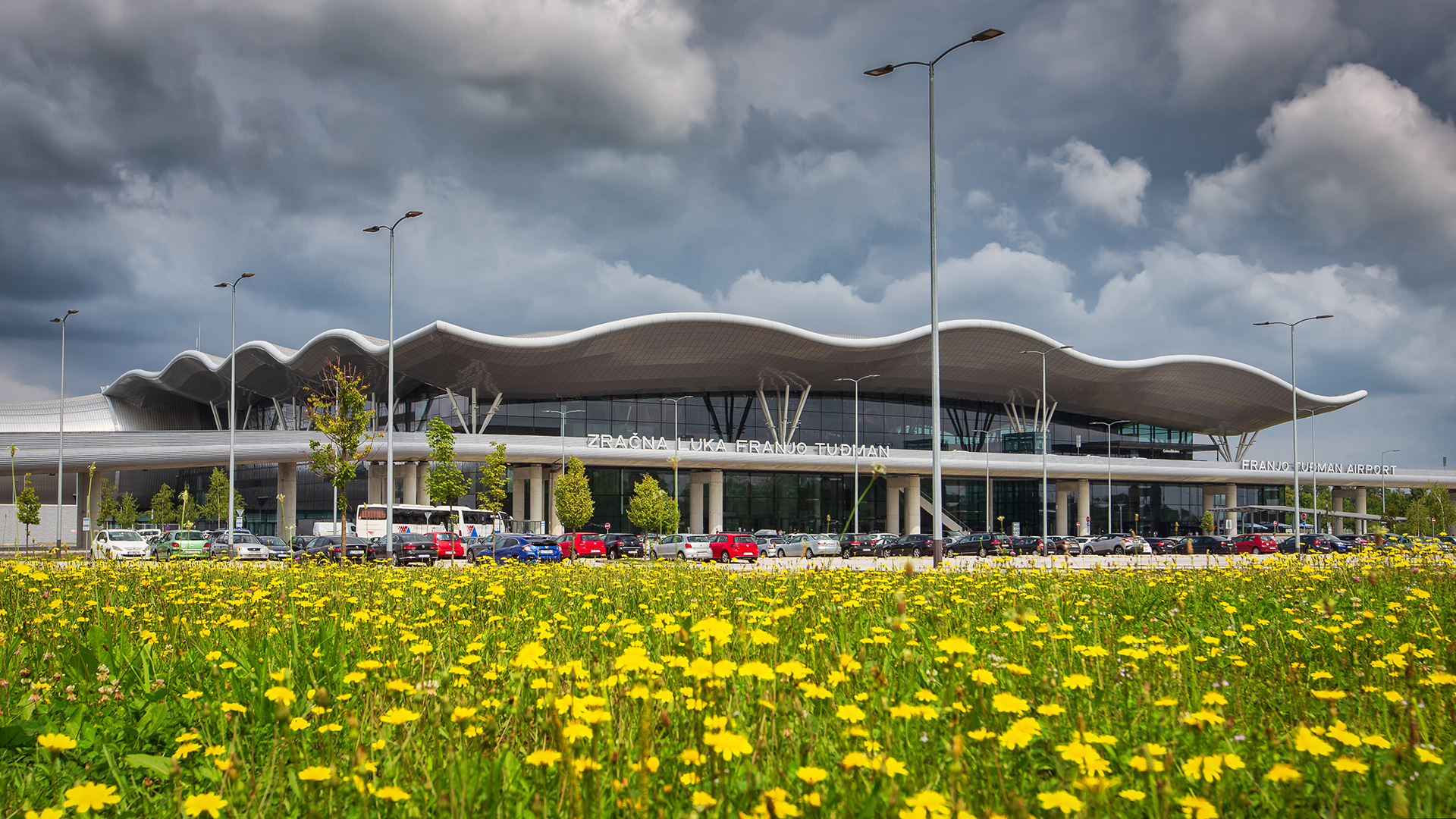
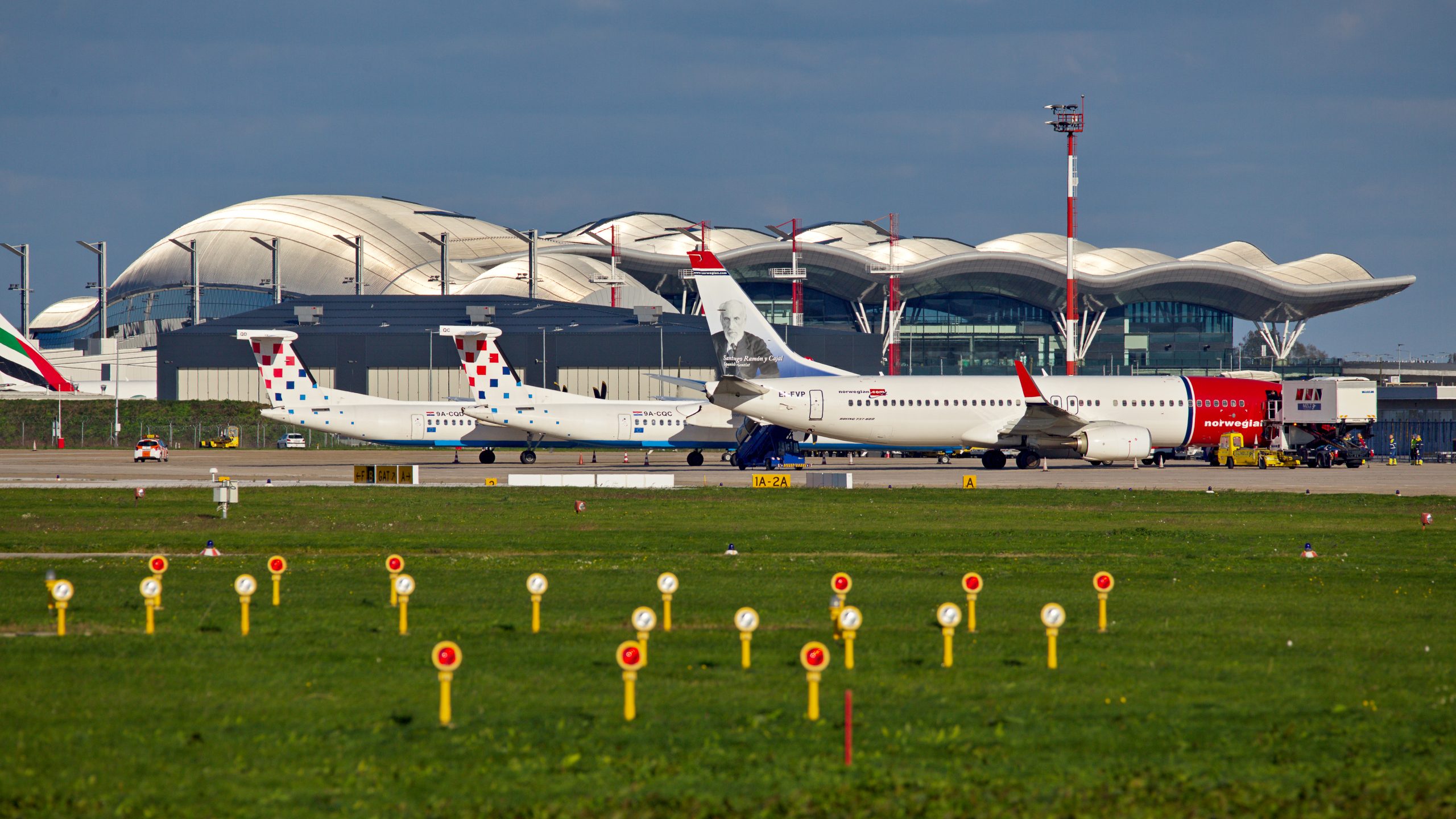
International Zagreb Airport Jsc. (MZLZ), the concessionaire of Franjo Tuđman Airport (ZAG), operates Croatia’s main international airport under a 30-year public–private partnership concession. Since the opening of the new passenger terminal in 2017, the airport has moved into a more technologically advanced and operationally complex phase, handling more than 4.3 million passengers in 2024 and supporting both civil and military air traffic.
In this safety-critical environment, Foreign Object Debris (FOD) remains a persistent risk. Debris can come from many airport activities and can damage aircraft, infrastructure or people. Within SEISMEC, Zagreb Airport is introducing human-centric AI support to strengthen FOD detection and reporting while keeping inspectors’ expertise and decision authority central.
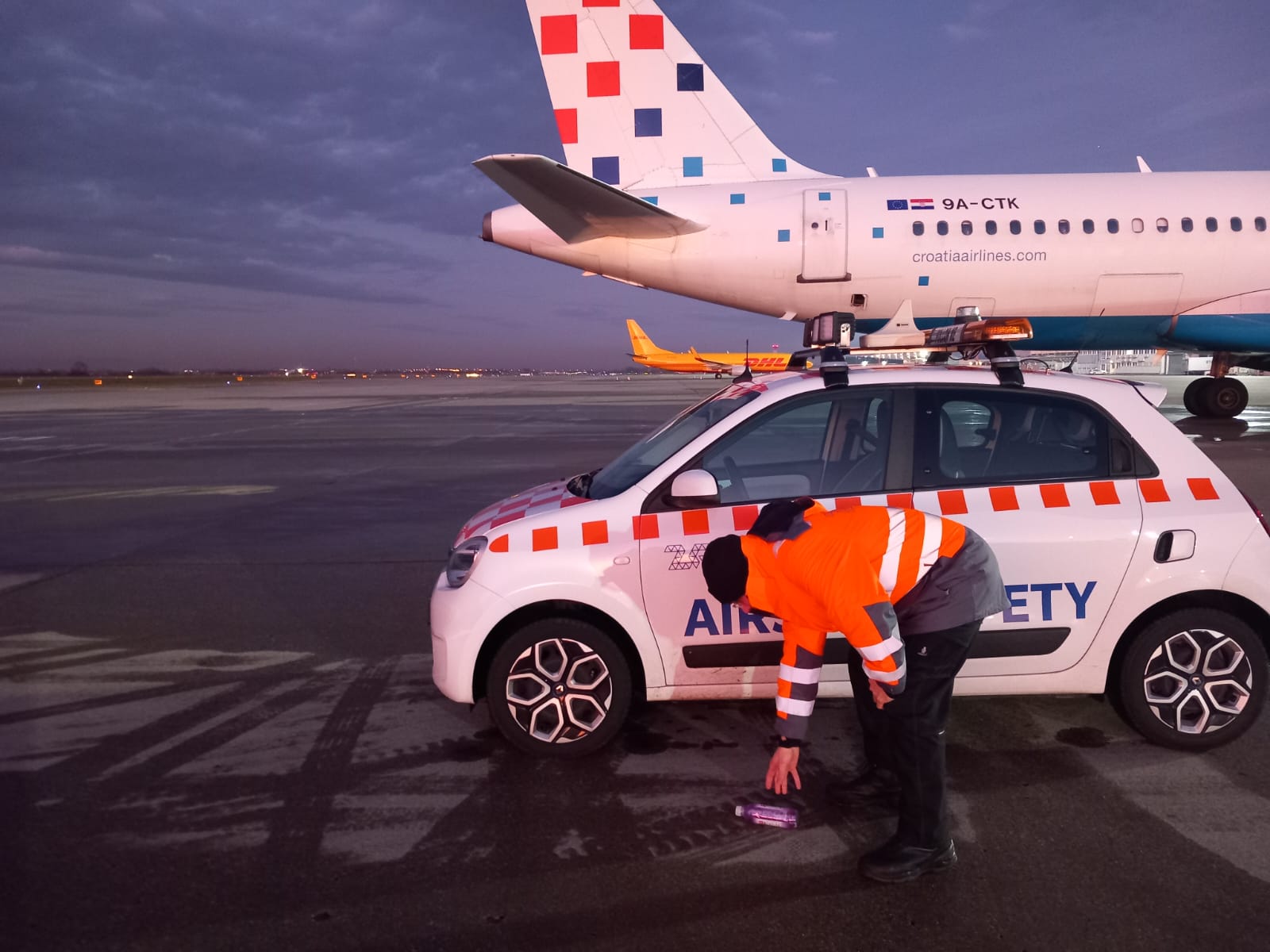
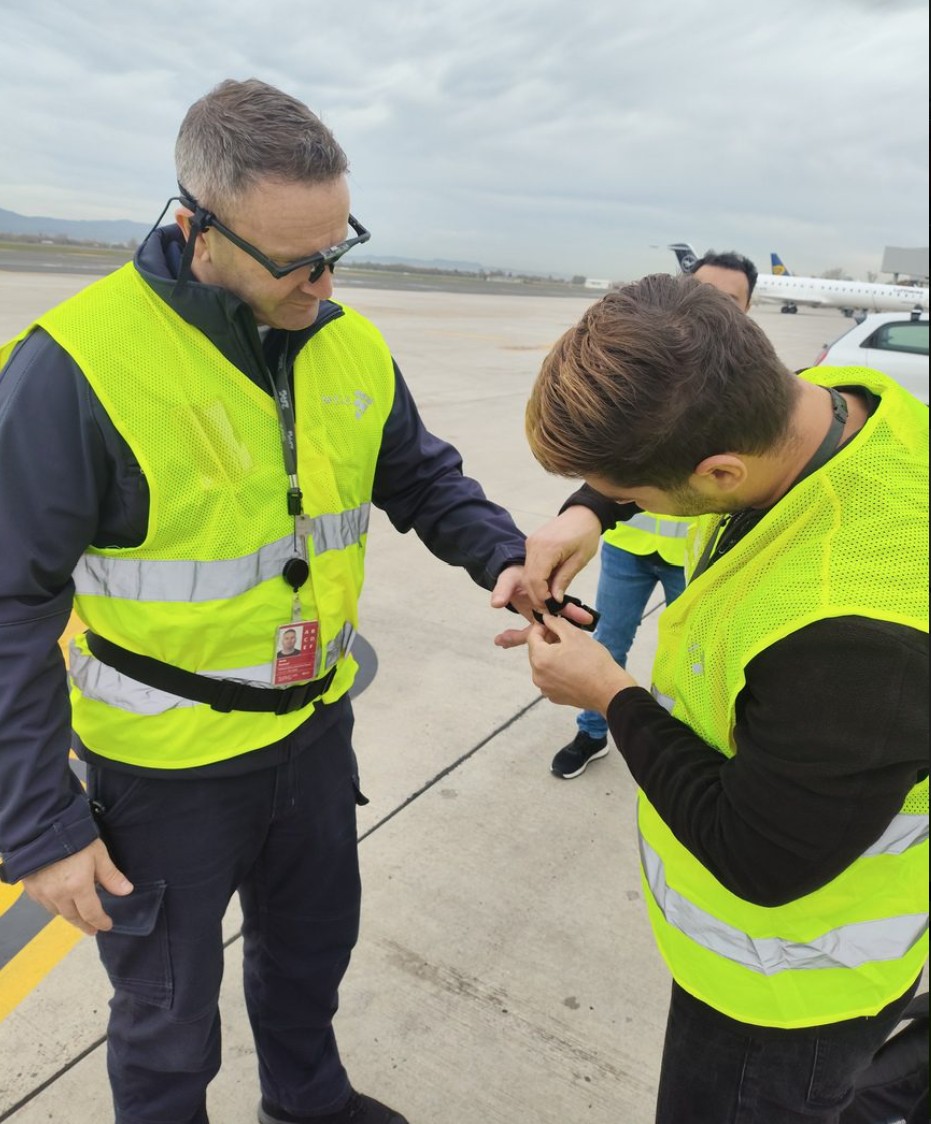
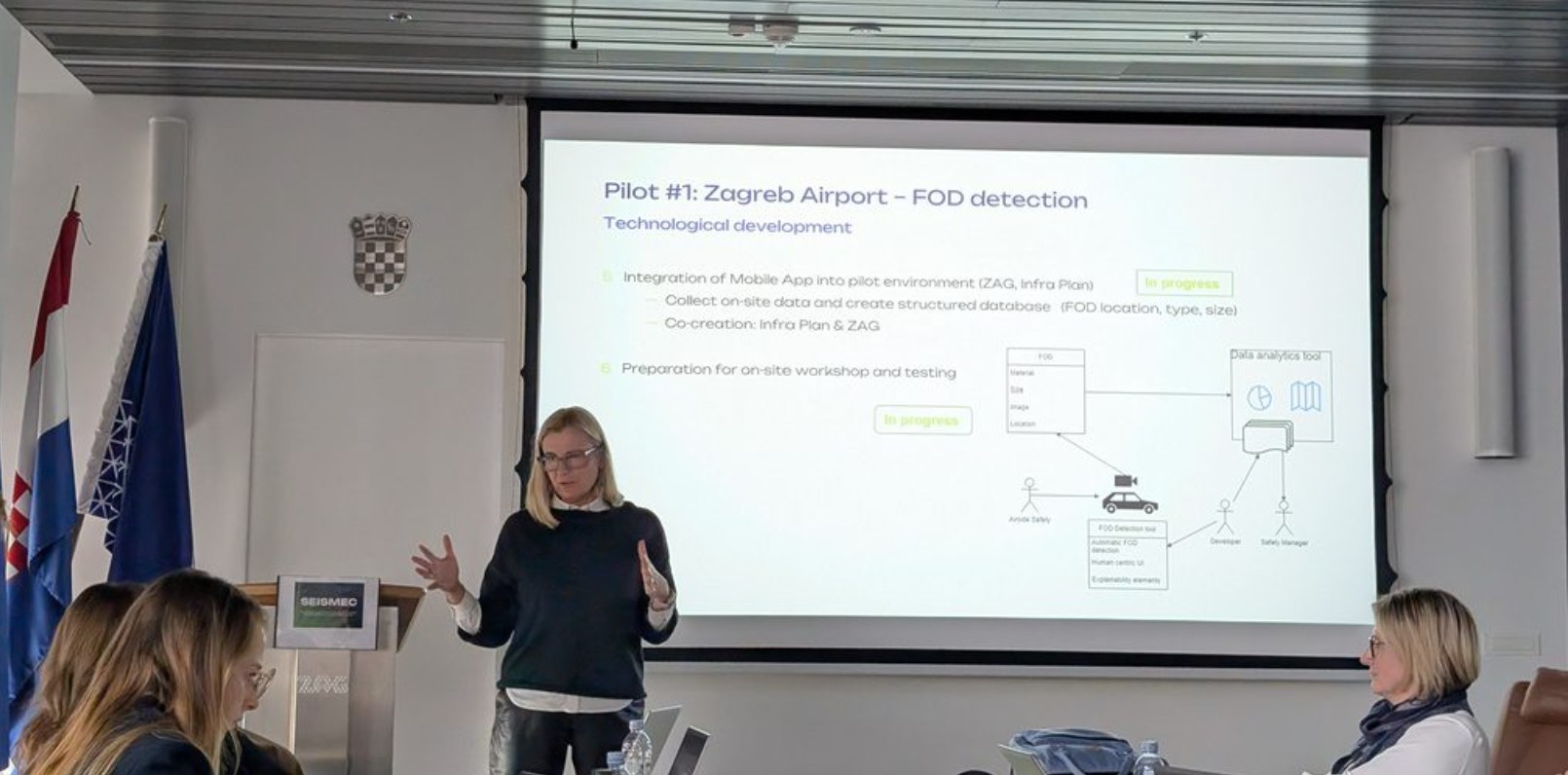
The pilot introduces an AI-assisted approach to FOD detection and reporting. A key step is building a Zagreb-specific dataset based on images collected and annotated by airport staff. A mobile application supports inspectors during routine runway inspections by capturing images, GPS location data and object classifications. This app is designed around user requirements and serves as the foundation for AI integration.
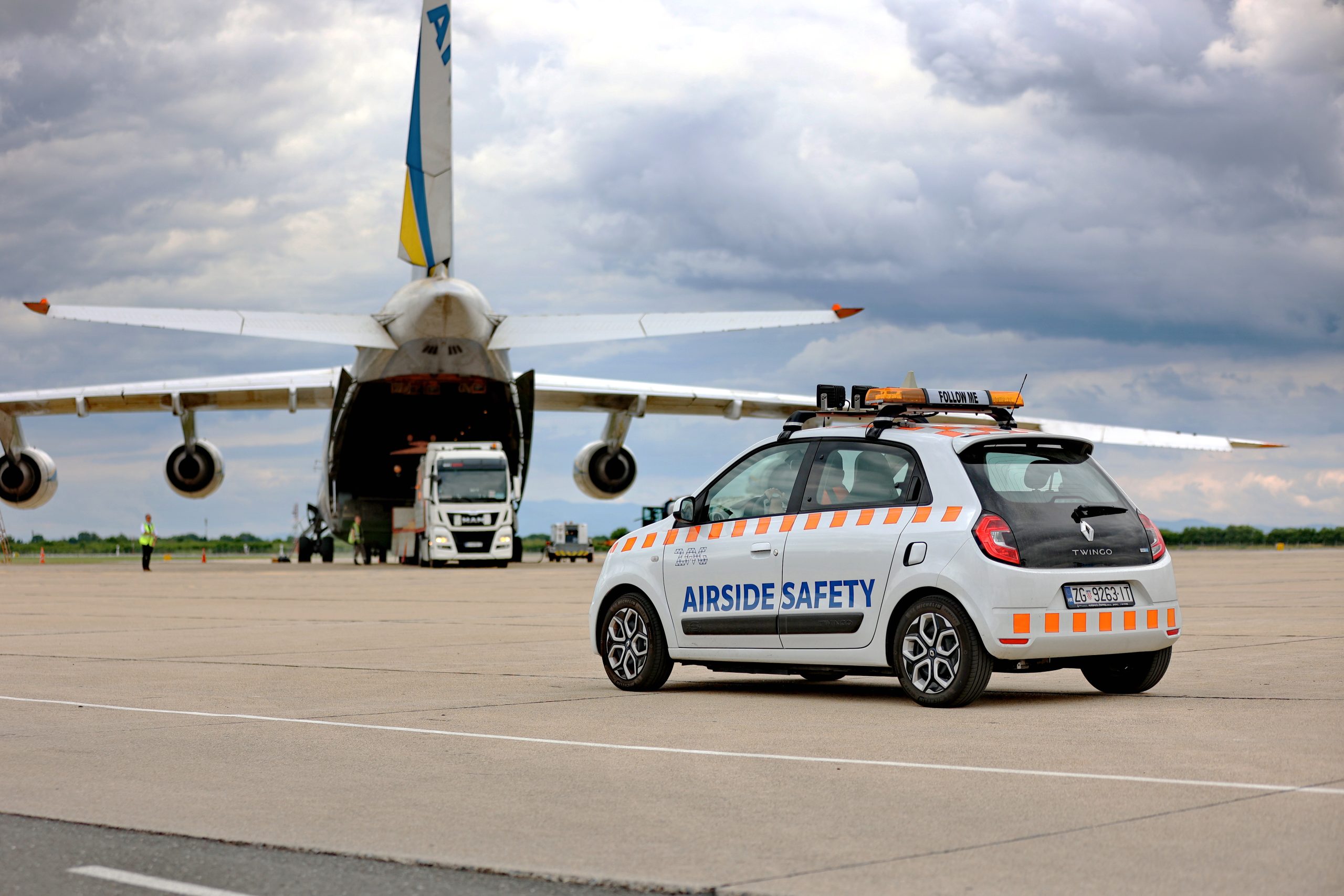
An AI-based FOD detection framework and prototype inspection system are being developed to support identification of potential hazards, source analysis and report generation in line with Union Aviation Safety Agency (EASA) requirements. Explainable AI methods are included to make outputs transparent and easier to trust. The system is designed for integration into inspection vehicles so AI support fits existing workflows rather than creating parallel processes.
The pilot follows a participatory, co-design approach. Inspectors and managers are involved through workshops, meetings, site visits and iterative testing. Existing inspection procedures were analysed in detail to align the solution with regulatory requirements and operational realities. Inspector feedback shaped interface design, object classification schemes and reporting formats.
Safety inspectors use the mobile app during routine inspections to capture and document potential FOD, including location and classification. The developing AI components aim to support faster and more consistent detection and documentation, while keeping the final decision with inspectors.
Early bottlenecks included hardware limitations and slow integration of mobile devices. These were addressed through simulated environments, predefined object classes aligned with EU requirements and upgraded equipment. A key lesson has been the value of early hardware validation and continuous worker involvement.
This pilot applies Industry 5.0 in practical terms, using explainable, human-centric AI to support runway safety and trustworthy decisions at Zagreb Airport.
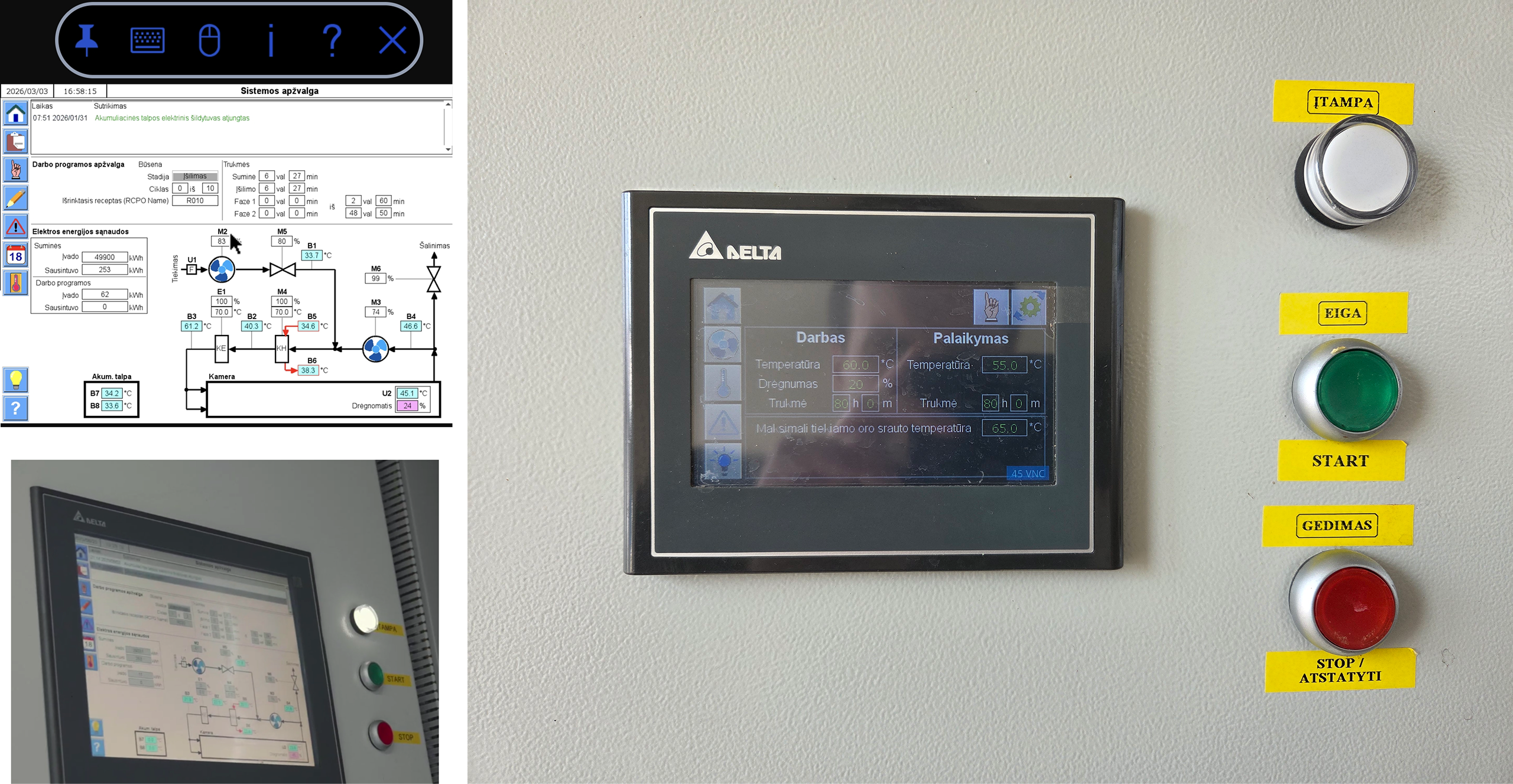
The pilot redesigns work processes using AI, IoT and related tools to increase autonomy, reduce mental load and support better decisions. Technically, Kvalitetas is exploring AI (publicly available in the market) and IoT solutions alongside Manufacturing and Warehouse (integrated into RIVILE GAMA software), Odoo CRM (with AI functionality) Systems to support both management and manufacturing activities.
The tools aim to improve monitoring of production parameters, support inventory and material balance management, improve routine administrative and planning tasks, and strengthen food safety implementation. AI-based tools are also being explored for marketing and communication, including the creation of promotional and educational content that translates scientific and biological product information into accessible messages for consumers interested in functional nutrition and personalised diets.
SEISMEC CAPS factors guide choices and assessment, keeping creativity, automation, productivity, safety and job satisfaction in view.