
ATLAS COPCO delivers advanced engineering services for airpower technologies across multiple international customer centres, supporting highly specialised, safety-critical systems. As the company grows, a clear challenge has become more visible: early turnover among newly recruited Field Service Engineers (FSEs). These hires require major investment in recruitment, training and onboarding, yet some leave within a relatively short time.
Within SEISMEC, ATLAS COPCO is addressing this as an organisational and human challenge, not only an HR process issue. The pilot aims to make the real drivers of turnover visible and actionable, empowering both engineers and HR teams with better insight and decision support.
Rather than deploying a single digital tool, the pilot focuses on organisational technologies: changes in practices, perspectives and decision-making processes that incorporate the lived experience of workers and HR professionals. SEISMEC partners support this with scientific frameworks to analyse turnover intentions and structured workplace innovation methods designed to generate actionable insight.
Measurement tools and sense-making approaches are being developed with HR teams, so findings can support practical responses rather than remaining as reports. CAPS factors are addressed mainly through collaboration, autonomy and participation, with the aim of strengthening human-centric HR governance as the company scales.
Co-design is central. A core group of HR professionals from fifteen customer centres worldwide takes part in developing measurement tools, interpreting findings and identifying potential organisational responses. This distributed HR community helps ensure local realities and cultural differences are included, avoiding one-size-fits-all conclusions.
FSE experiences are also brought into the process to make day-to-day realities visible in organisational decision-making, especially where technology use and working conditions affect autonomy, competence and belonging.
The pilot is finalising in the data-collection phase. Early insights already show that turnover intentions are more complex and context-dependent than much of the existing literature suggests.
This pilot applies Industry 5.0 in practical terms, using human-centric organisational innovation to strengthen retention, technology acceptance and resilient growth in engineering services.
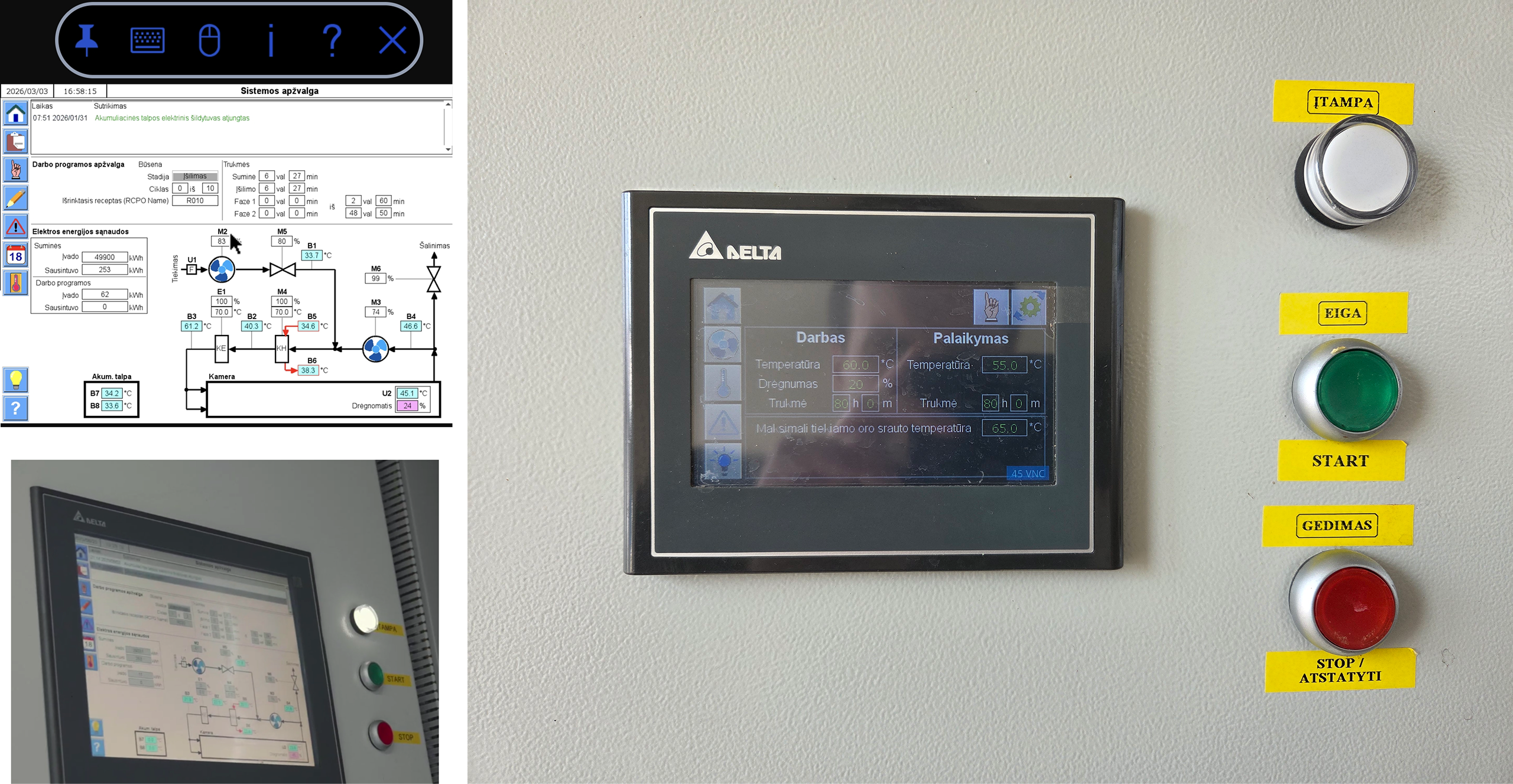
The pilot redesigns work processes using AI, IoT and related tools to increase autonomy, reduce mental load and support better decisions. Technically, Kvalitetas is exploring AI (publicly available in the market) and IoT solutions alongside Manufacturing and Warehouse (integrated into RIVILE GAMA software), Odoo CRM (with AI functionality) Systems to support both management and manufacturing activities.
The tools aim to improve monitoring of production parameters, support inventory and material balance management, improve routine administrative and planning tasks, and strengthen food safety implementation. AI-based tools are also being explored for marketing and communication, including the creation of promotional and educational content that translates scientific and biological product information into accessible messages for consumers interested in functional nutrition and personalised diets.
SEISMEC CAPS factors guide choices and assessment, keeping creativity, automation, productivity, safety and job satisfaction in view.