
Functional food production
SME (~10 employees)
AI, IoT, WES, TOS, digital maturity tools
Manufacturing workers, management staff
Human-centric digitalisation
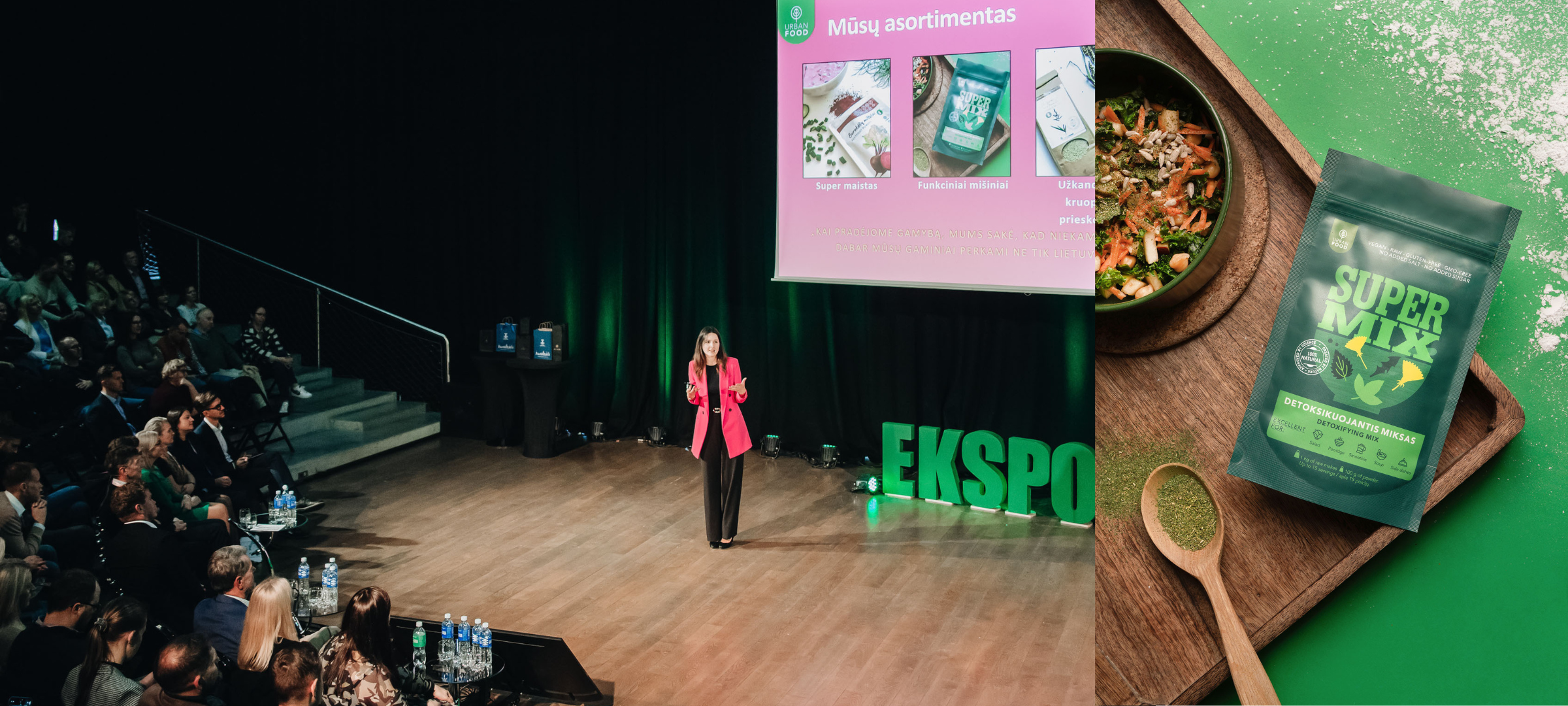
Kvalitetas (URBANFOOD) is a Lithuanian SME in the functional food sector, with around ten employees and a highly diversified portfolio across plant-based snacks, supplements, powders and concentrates, serving domestic and export markets. Working with many product types and frequent changes in demand makes planning, production and logistics demanding in a small team.
Within SEISMEC, Kvalitetas is testing how human-centric digital technologies can reduce pressure on workers and support sustainable growth, without intensifying work or replacing roles.
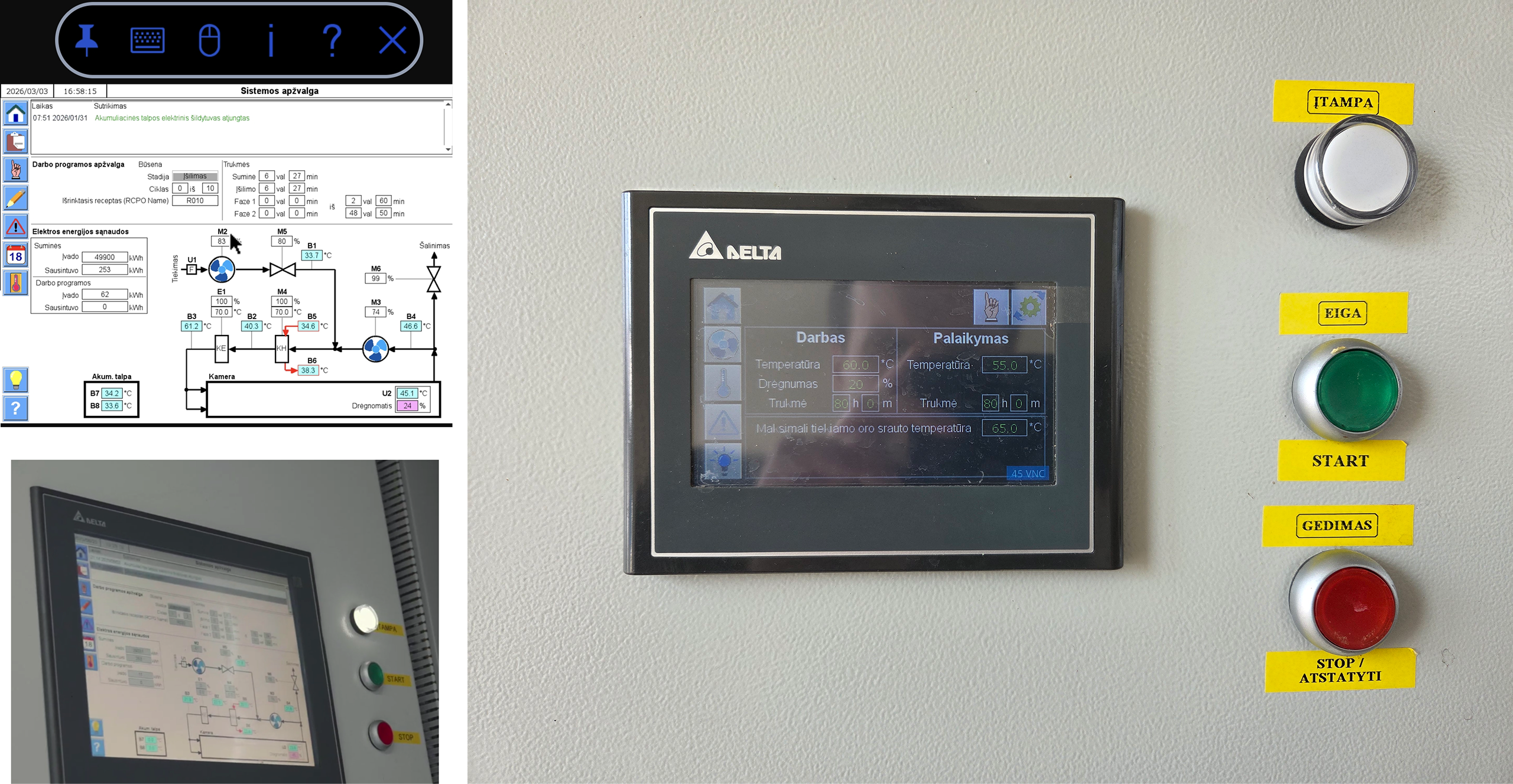
The pilot redesigns work processes using AI, IoT and related tools to increase autonomy, reduce mental load and support better decisions. Technically, Kvalitetas is exploring AI (publicly available in the market) and IoT solutions alongside Manufacturing and Warehouse (integrated into RIVILE GAMA software), Odoo CRM (with AI functionality) Systems to support both management and manufacturing activities.
The tools aim to improve monitoring of production parameters, support inventory and material balance management, improve routine administrative and planning tasks, and strengthen food safety implementation. AI-based tools are also being explored for marketing and communication, including the creation of promotional and educational content that translates scientific and biological product information into accessible messages for consumers interested in functional nutrition and personalised diets.
SEISMEC CAPS factors guide choices and assessment, keeping creativity, automation, productivity, safety and job satisfaction in view.
The pilot involves management workers and manufacturing workers. Management staff combine marketing, decision-making, process planning and production support, often switching rapidly between tasks. Manufacturing workers carry out varied production activities, with frequent adjustments to parameters, materials and quality and safety requirements.
Workers are engaged through ongoing meetings, training sessions, discussions and continuous feedback loops. Kvalitetas also participates in SEISMEC monitoring and assessment activities, including technology assessments, worker autonomy analysis, skills surveys and CAPS-based evaluation.
Implementation follows an incremental approach that fits an SME context, balancing innovation with limited resources, ongoing production demands and staff capacity. As tools are introduced, the focus is on practical improvements that reduce errors, increase transparency and support more informed decisions.
Training and hands-on experimentation build digital skills and support adoption. Employees also report typical change challenges such as the learning curve, occasional scepticism, skills gaps, cognitive load from multitasking, and concerns around data security and AI use. These points remain part of ongoing change management and dialogue.
This pilot applies Industry 5.0 in practical terms, using human-centric AI and IoT to strengthen autonomy, work quality and sustainable performance in a functional food SME.
The pilot redesigns work processes using AI, IoT and related tools to increase autonomy, reduce mental load and support better decisions. Technically, Kvalitetas is exploring AI (publicly available in the market) and IoT solutions alongside Manufacturing and Warehouse (integrated into RIVILE GAMA software), Odoo CRM (with AI functionality) Systems to support both management and manufacturing activities.
The tools aim to improve monitoring of production parameters, support inventory and material balance management, improve routine administrative and planning tasks, and strengthen food safety implementation. AI-based tools are also being explored for marketing and communication, including the creation of promotional and educational content that translates scientific and biological product information into accessible messages for consumers interested in functional nutrition and personalised diets.
SEISMEC CAPS factors guide choices and assessment, keeping creativity, automation, productivity, safety and job satisfaction in view.