
Construction & infrastructure
Large construction company
Computer vision, AI safety monitoring, wearables
Construction workers, OSH managers
Safety, fatigue monitoring, privacy-preserving AI
Mostostal is a major player in large-scale construction and engineering projects, operating in complex, dynamic, and safety-critical environments. Construction sites change constantly, involve multiple subcontractors and heavy machinery, and expose teams to a wide range of occupational risks. Keeping people safe while work moves fast requires strong situational awareness and rapid coordination.
Within SEISMEC, Mostostal is exploring how human-centric AI can support safety management. The aim is not to replace supervision, but to give Occupational Safety and Health (OSH) managers timely, reliable and interpretable information to prevent accidents while protecting worker privacy and trust.
The pilot develops AI-supported decision-support tools for safe and efficient construction scheduling, combined with computer-vision-based safety monitoring. Confirmed use cases include helmet compliance detection, posture and pose estimation, proper ladder usage and detection of hazardous behaviours, such as unsafe ladder practices.
The computer vision work uses models trained on real construction-site data. Mostostal shared extensive datasets originating from the ASSIST-IoT project, including thousands of images and videos, enabling training and validation of safety-related detection algorithms. The longer-term aim is real-time detection systems that support OSH decision-making on active sites.
A complementary stream explores fatigue monitoring through wearable sensors. The focus is on early risk awareness through physiological indicators, with attention to avoiding intrusive or disciplinary use. In collaboration with TUB, fatigue-detection concepts, user-friendly interface ideas and a questionnaire on trust and acceptance of wearables were developed.
The pilot is still pre-deployment, but it is designed around real site realities and OSH workflows. Acceptance is treated as a core condition, not a later step. Trust and transparency activities include a questionnaire to assess worker views on wearable technologies.
Human centricity has been embedded from the start through privacy-preserving approaches and clear attention to proportionality. The pilot also prepares future human-centric interfaces so OSH managers can work with prioritised insights rather than raw data.
The intended users are OSH managers and site supervisors monitoring safety across large areas. Instead of relying only on constant walking and manual observation, the system is designed to provide structured and prioritised safety signals that support preventive intervention.
Key adoption factors include clarity about what is monitored and why, strict boundaries for data use, and assurance that data supports safety improvement rather than individual performance control.
This pilot applies Industry 5.0 in practical terms, using privacy-preserving AI to support construction safety, trust and empowered OSH decision-making.
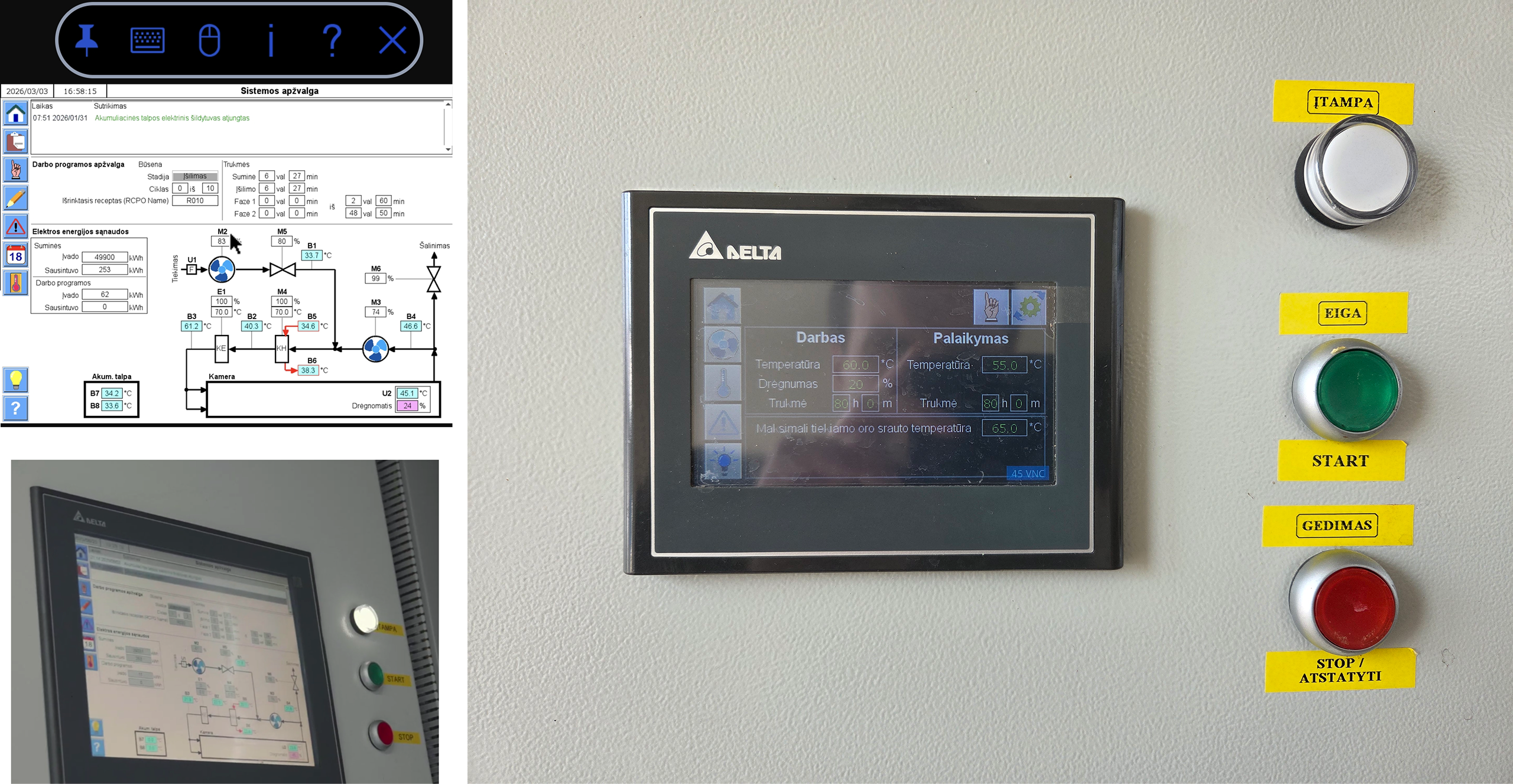
The pilot redesigns work processes using AI, IoT and related tools to increase autonomy, reduce mental load and support better decisions. Technically, Kvalitetas is exploring AI (publicly available in the market) and IoT solutions alongside Manufacturing and Warehouse (integrated into RIVILE GAMA software), Odoo CRM (with AI functionality) Systems to support both management and manufacturing activities.
The tools aim to improve monitoring of production parameters, support inventory and material balance management, improve routine administrative and planning tasks, and strengthen food safety implementation. AI-based tools are also being explored for marketing and communication, including the creation of promotional and educational content that translates scientific and biological product information into accessible messages for consumers interested in functional nutrition and personalised diets.
SEISMEC CAPS factors guide choices and assessment, keeping creativity, automation, productivity, safety and job satisfaction in view.