
THALES develops advanced technologies for citizen protection, critical infrastructure and safety-critical systems. Within the company, cortAIx Labs focuses on AI for critical systems, with strong attention to trustworthiness, explainability and human–system integration. One strategic application area is drone-based operations for high-stress contexts such as search and rescue and wildfire response.
Within SEISMEC, THALES is exploring how human-centric AI, augmented reality and wearable technologies can support operators in critical missions while preserving meaningful human control, safety and trust.
The pilot co-develops an advanced drone control interface using AR headsets, designed to let users interact with and control drones through an immersive visual interface while keeping attention on the operational environment. AI components, deployed onboard or off-board, support capabilities such as object and person detection to improve situational awareness in complex scenarios.
A key element is an explainable AI layer integrated into the AR interface. It provides contextual explanations of AI outputs so operators can understand what the system is indicating and make informed judgements. The pilot also explores wearable sensors that capture physiological signals such as heart rate and respiration to estimate stress. These indicators are used to adapt how information is presented, with the aim of reducing information overload when stress is high.
Direct end-user involvement has been limited so far because access to firefighters and first responders is difficult during the current phase. Human-centric design is supported through informed input from within THALES. Members of the cortAIx Labs team are certified drone pilots and contribute operational expertise to scenario definition and interface design. Interviews with colleagues from other THALES departments with operational experience in drone-based missions have also informed the experimental protocol and design choices.
The system is developed and tested in a prototype environment combining drones, AR/XR interaction, AI decision-support components and wearable sensing. The intended operational setting is high-risk missions where a firefighter may control one or multiple drones to gain a global overview, identify dangerous zones and detect people in need of help.
At this stage, the pilot reflects informed expectations rather than validated end-user experience. A central design requirement is that new interfaces fit standard operational protocols and support decisions under pressure rather than complicating them.
This pilot applies Industry 5.0 in practical terms, using human-centric AI and XR to support safety, trust and meaningful human control in critical drone missions.
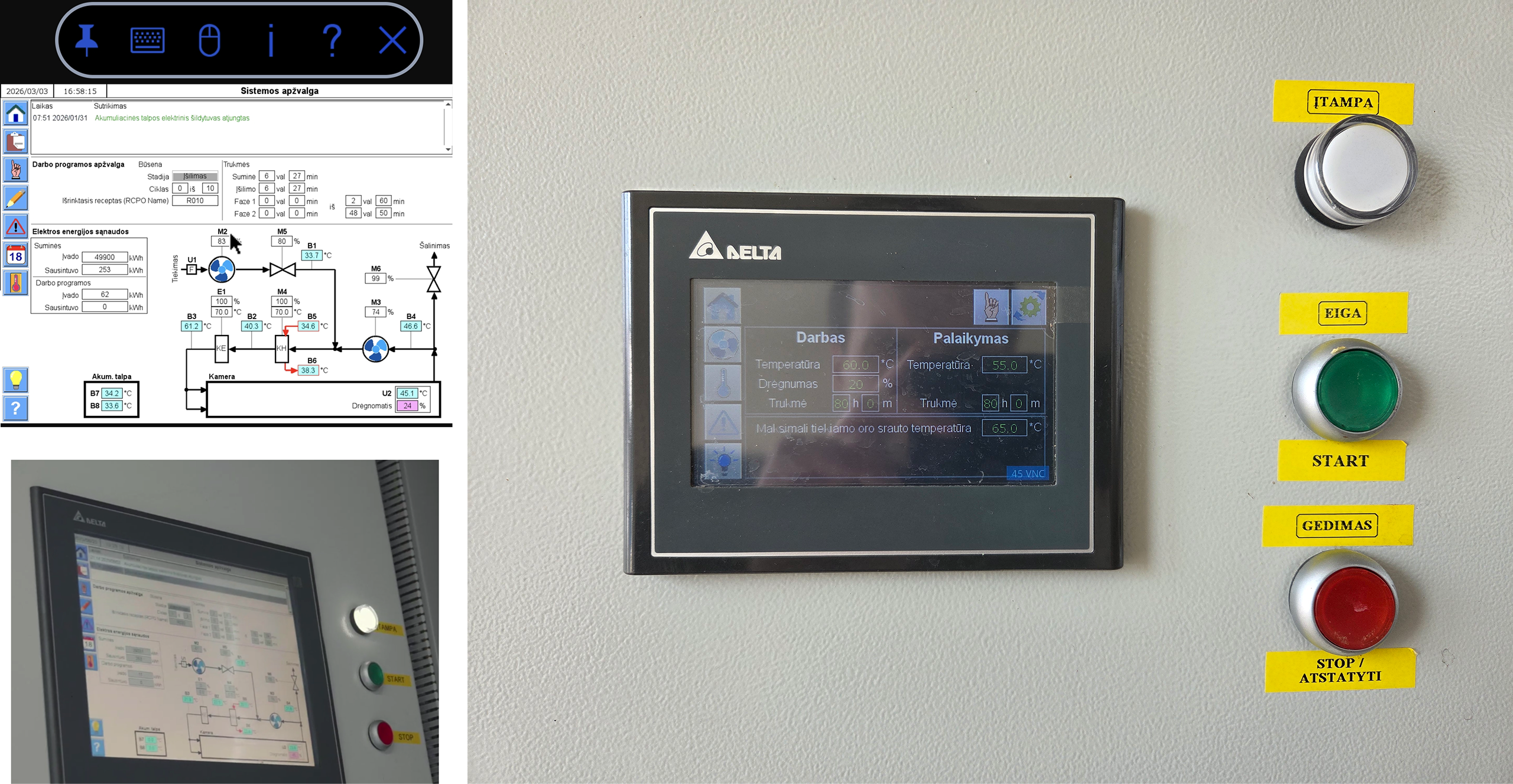
The pilot redesigns work processes using AI, IoT and related tools to increase autonomy, reduce mental load and support better decisions. Technically, Kvalitetas is exploring AI (publicly available in the market) and IoT solutions alongside Manufacturing and Warehouse (integrated into RIVILE GAMA software), Odoo CRM (with AI functionality) Systems to support both management and manufacturing activities.
The tools aim to improve monitoring of production parameters, support inventory and material balance management, improve routine administrative and planning tasks, and strengthen food safety implementation. AI-based tools are also being explored for marketing and communication, including the creation of promotional and educational content that translates scientific and biological product information into accessible messages for consumers interested in functional nutrition and personalised diets.
SEISMEC CAPS factors guide choices and assessment, keeping creativity, automation, productivity, safety and job satisfaction in view.