
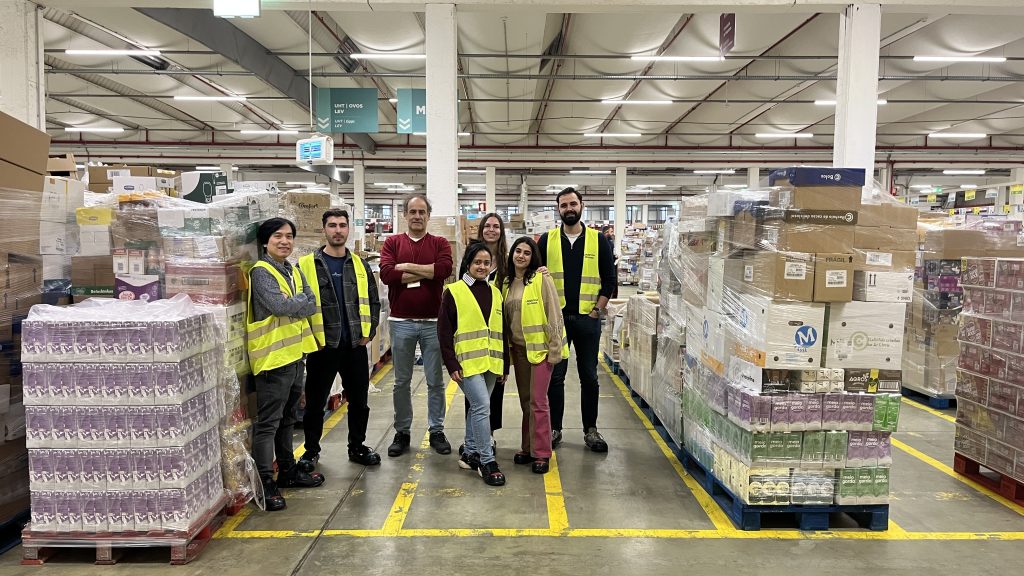
From 22 to 28 February 2026, researchers from CERTH, Technische Universität Berlin and Erasmus University Rotterdam carried out the next phase of empirical research at the warehouse of MC Sonae in Porto, Portugal.
Building on last year’s exploration of human-centric technology interaction, this visit expanded our approach to include participatory experiments, structured observation, and interviews. The overarching goal was to understand, in a grounded and practical way, how emerging technologies are reshaping day-to-day work and how human interaction with these systems can be meaningfully improved.This year, voice-picking devices were examined as a mature and widely adopted technology, alongside fish processing robots, autonomous mobile robots (AMRs), and the Wells system as newly introduced automation technologies.
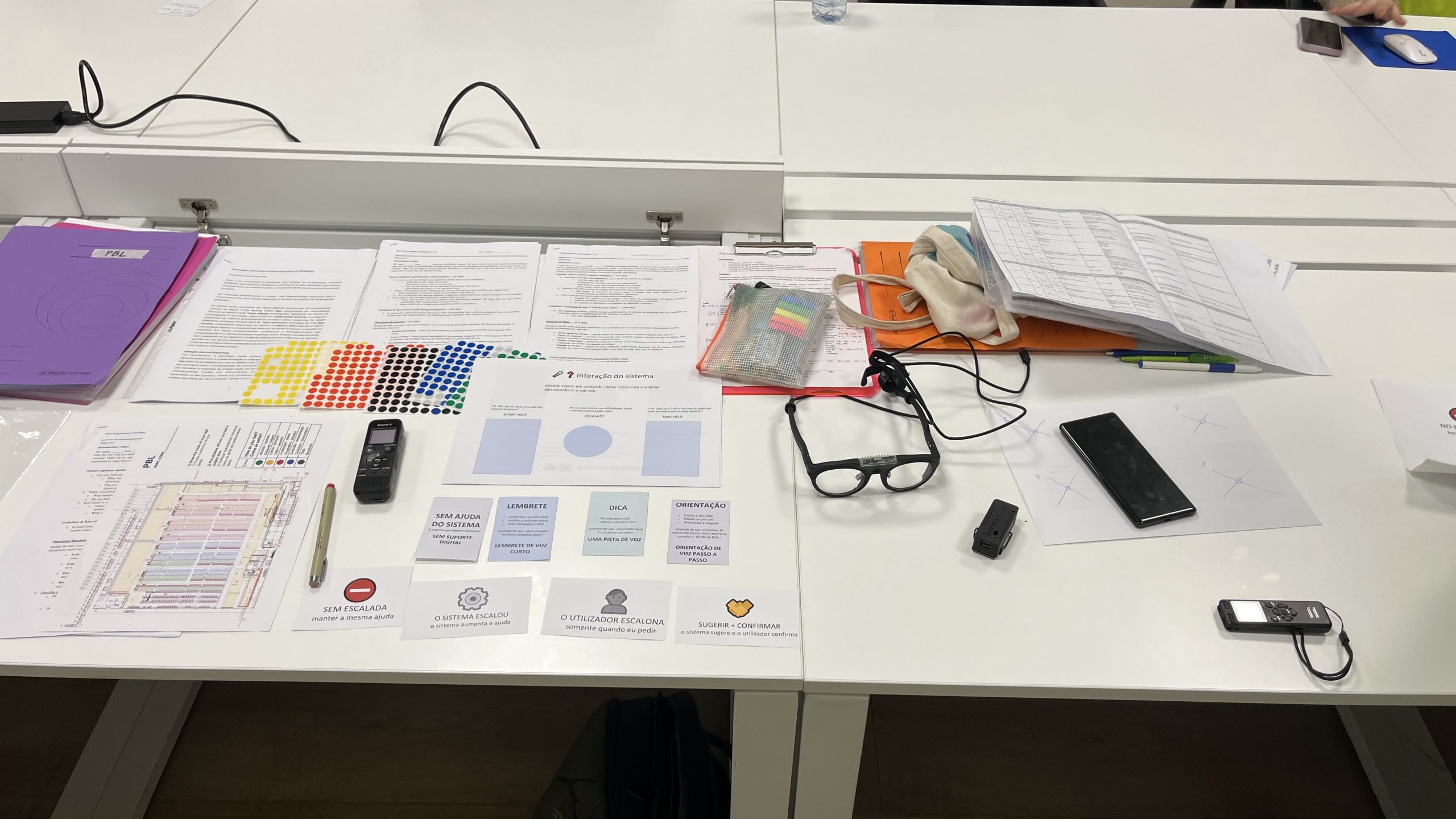
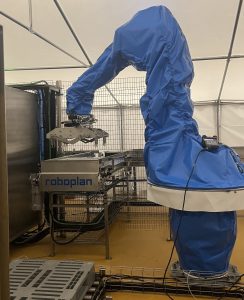
For the voice-picking devices, participatory experiments were designed, integrating eye-tracking and wearable sensors, complemented by in-depth interviews. This combination allowed to capture objective behavioural data, such as gaze patterns and physical load, while gaining a deeper understanding of how workers experience the cognitive and physical demands of order-picking tasks. For the fish processing robot, AMRs, and Wells system, a more observational approach was adopted, pairing direct floor observation with interviews across both managerial and operational levels. This change enabled to surface diverse perspectives on skill requirements, training processes, and workers’ evolving relationship with automation.
Through a combination of qualitative methods and active participation, the work goes beyond evaluating technology design to focus on the lived experience of the people working with these systems. It examines how emerging technologies shape productivity and workflow, as well as how operators respond in terms of usability, adaptability, and well-being. By centering both organisational and operational voices throughout the research process, this work contributes to building more human-centred approaches to technological innovation in industrial settings.