
Semiconductor manufacturing & R&D
Large enterprise (~6,000 employees in AT)
Generative AI, LLMs, learning analytics, wearables (exploratory)
R&D engineers, production staff
Personalised learning, upskilling, autonomy, privacy-aware AI
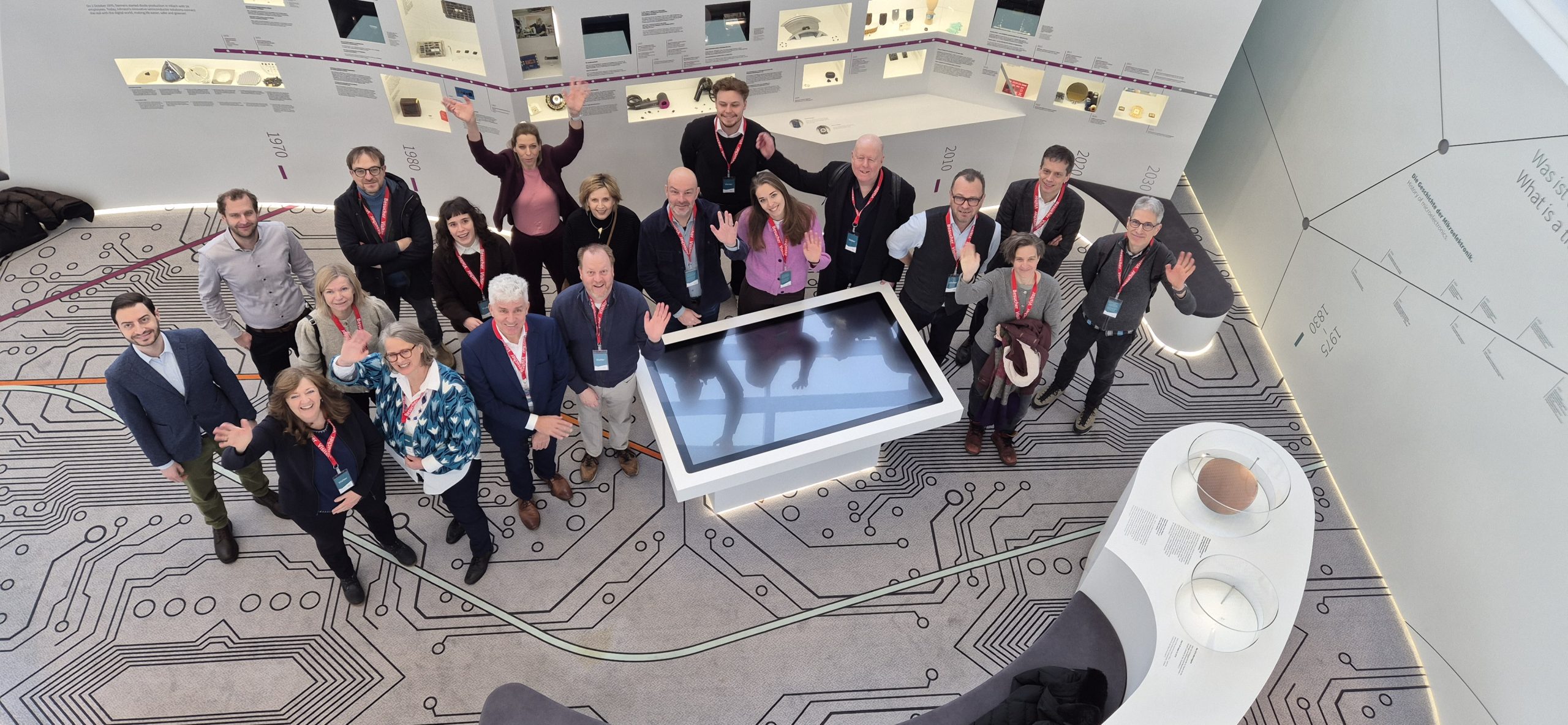
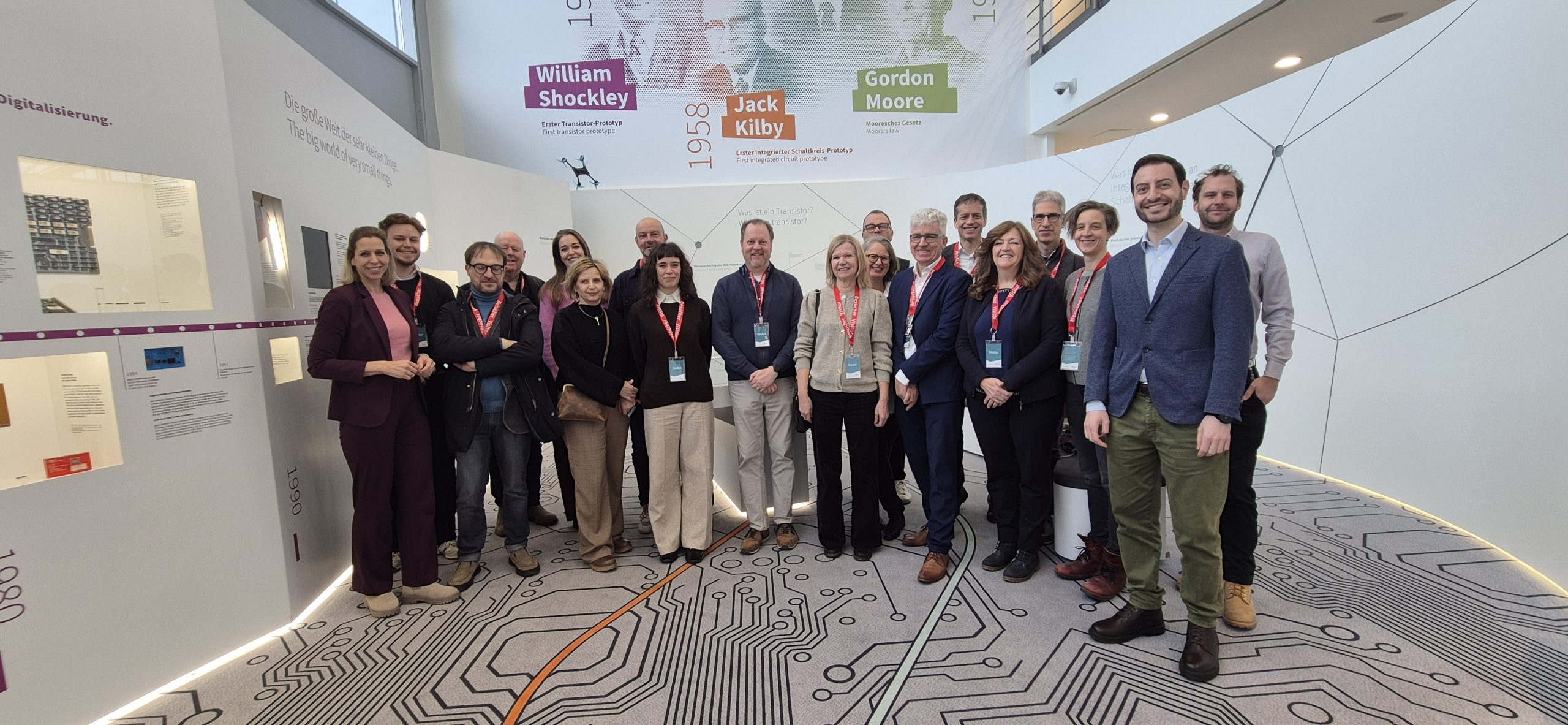
Infineon Technologies Austria AG is a major research, development and production hub within a global semiconductor group, with key sites including Villach and additional R&D and IT locations across Austria. In this highly specialised and fast-evolving industrial environment, continuous learning is a critical prerequisite for maintaining technological leadership, operational excellence, and workforce resilience.
Within SEISMEC, the Infineon AHEAD pilot tests a different approach to workplace learning: personalised, adaptive support powered by advanced AI, designed to strengthen autonomy and reduce the effort employees spend searching for relevant knowledge.
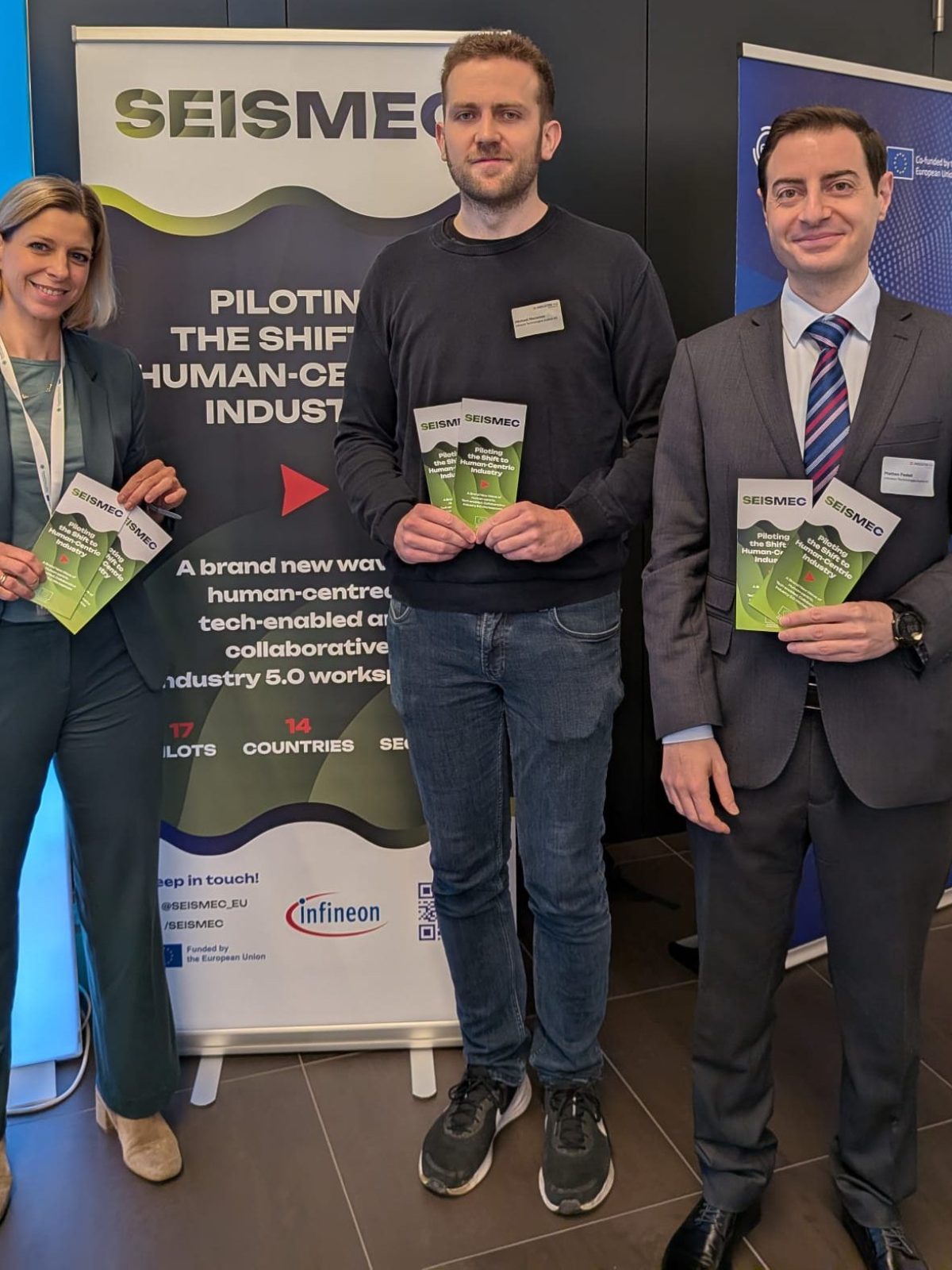
The pilot uses generative AI, including multimodal large language models available within Infineon, to create personalised learning content matched to the user profile and the task context. It can deliver concise micro-courses, targeted tutorials and short explanatory videos, aiming to make learning practical and immediately usable.
Human centricity is applied through a clear principle: the learning system should augment human capabilities and agency, not prescribe behaviour or impose rigid pathways. Employees remain active participants in their development, because resilience depends on empowered, skilled and motivated workers.
In parallel, the pilot explores potential integrations such as stress and fatigue detection tools developed by CERTH and eye-tracking smart glasses. These options are approached cautiously, with attention to proportionality, data protection and legal compliance, especially where adaptation could rely on sensitive signals.
A human-centred, participatory approach guides development. Early work focused on how personalised learning can fit workplace realities, then moved towards collaborative design, interdisciplinary learning communities and iterative testing with users.
Prototypes are tested with small user groups, followed by a proof-of-concept phase with around 40 participants across R&D and production environments. Feedback is used to refine usability, relevance and acceptance.
The tool is intended to support learning in daily workflows rather than as a separate training event. For example, an R&D engineer can receive short, domain-specific guidance linked to ongoing tasks, reducing time spent searching for information and lowering cognitive load.
Perceived challenges include maintaining trust in AI recommendations, managing the learning curve associated with new tools, and ensuring that personal data used for adaptation is handled transparently and responsibly
This pilot applies Industry 5.0 in practical terms, using privacy-aware, human-centric AI to support continuous learning, autonomy and workforce resilience in advanced semiconductor environments.
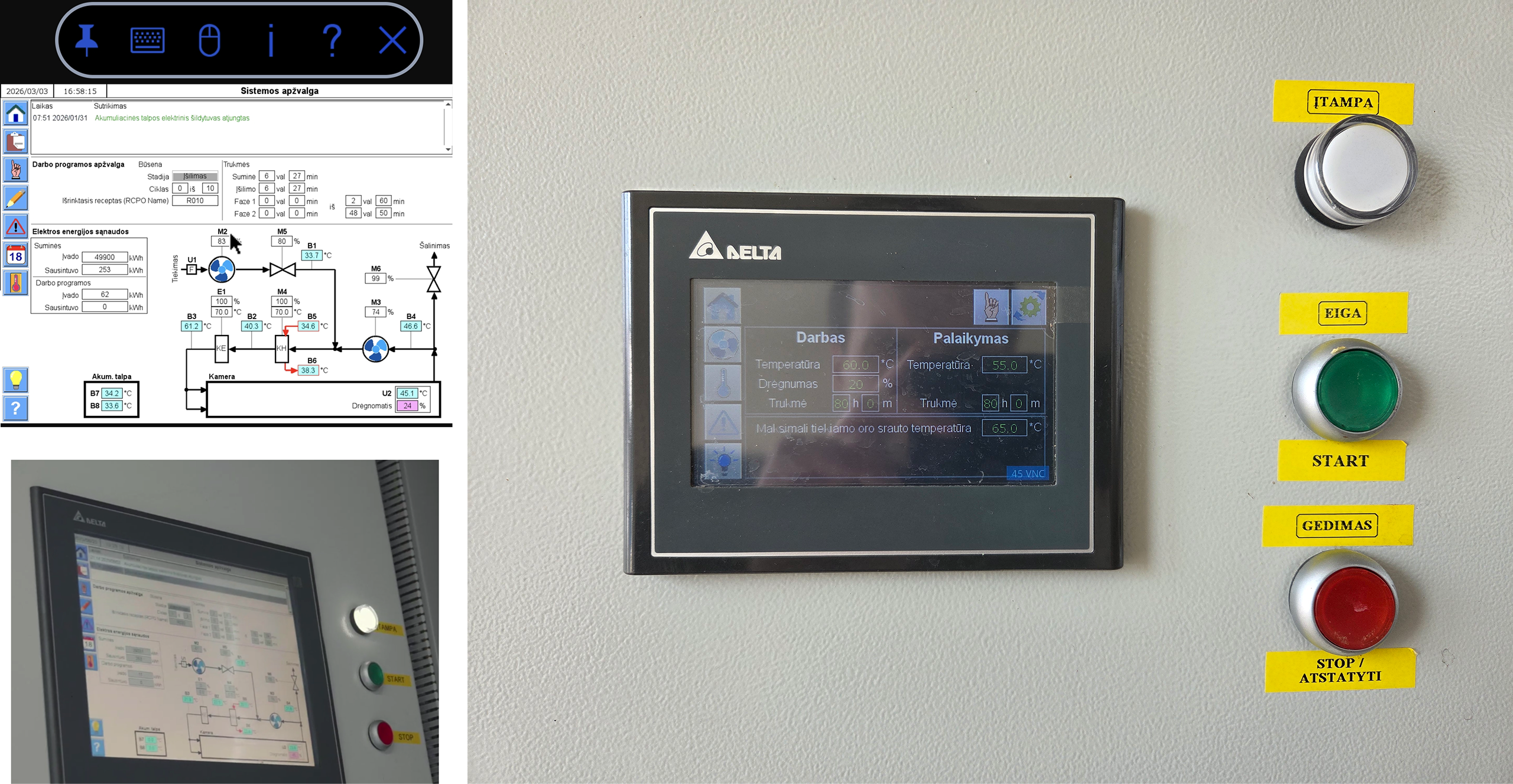
The pilot redesigns work processes using AI, IoT and related tools to increase autonomy, reduce mental load and support better decisions. Technically, Kvalitetas is exploring AI (publicly available in the market) and IoT solutions alongside Manufacturing and Warehouse (integrated into RIVILE GAMA software), Odoo CRM (with AI functionality) Systems to support both management and manufacturing activities.
The tools aim to improve monitoring of production parameters, support inventory and material balance management, improve routine administrative and planning tasks, and strengthen food safety implementation. AI-based tools are also being explored for marketing and communication, including the creation of promotional and educational content that translates scientific and biological product information into accessible messages for consumers interested in functional nutrition and personalised diets.
SEISMEC CAPS factors guide choices and assessment, keeping creativity, automation, productivity, safety and job satisfaction in view.