
Retail logistics & distribution
Large enterprise
Exoskeletons, voice picking, robots, AMRs, eye-tracking glasses , wearables
Blue-collar operator worker (pickers, forklift operators, quality controllers)
Physical load reduction, safety, sustainable automation
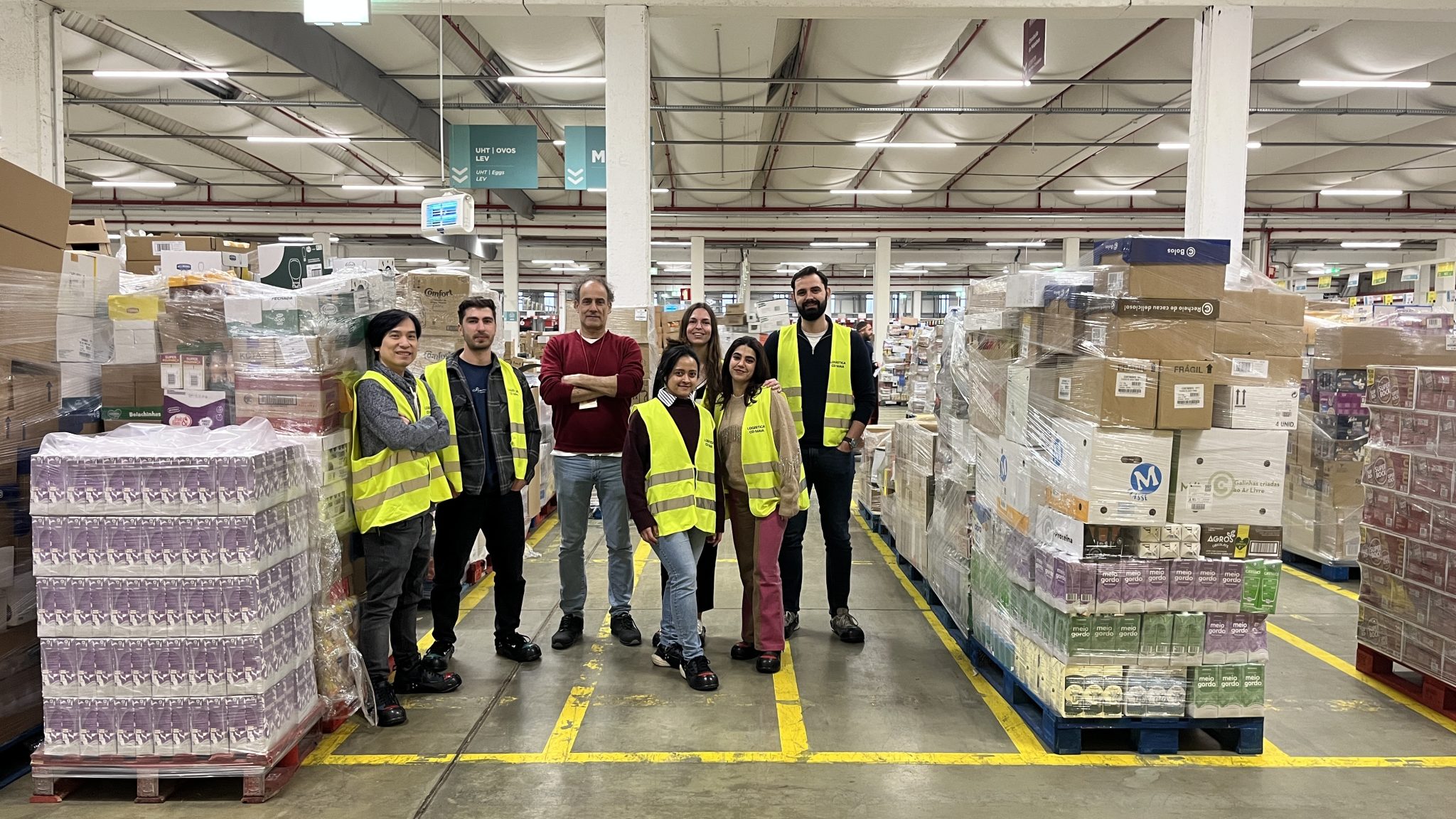
MC Sonae is the largest food retailer in Portugal, operating large distribution centres with high-intensity logistics and complex material flows. These sites depend heavily on manual handling and repetitive tasks such as picking, loading, unloading and specialised processing including fish handling. Workforce shortages, rising ergonomic risks and the need to protect long-term employability are increasing pressure across operations.
Within SEISMEC, MC Sonae is testing how advanced technologies can modernise logistics while safeguarding health, safety, autonomy and job satisfaction. The focus is human-centric automation that reduces physical strain and supports inclusion and empowerment.
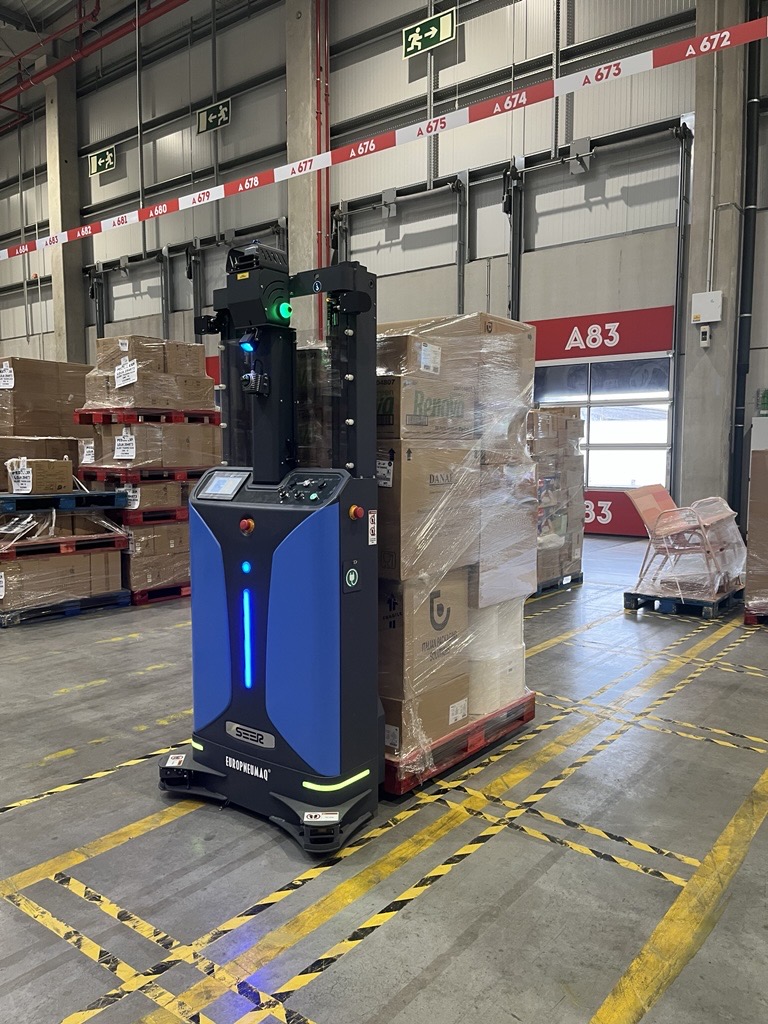
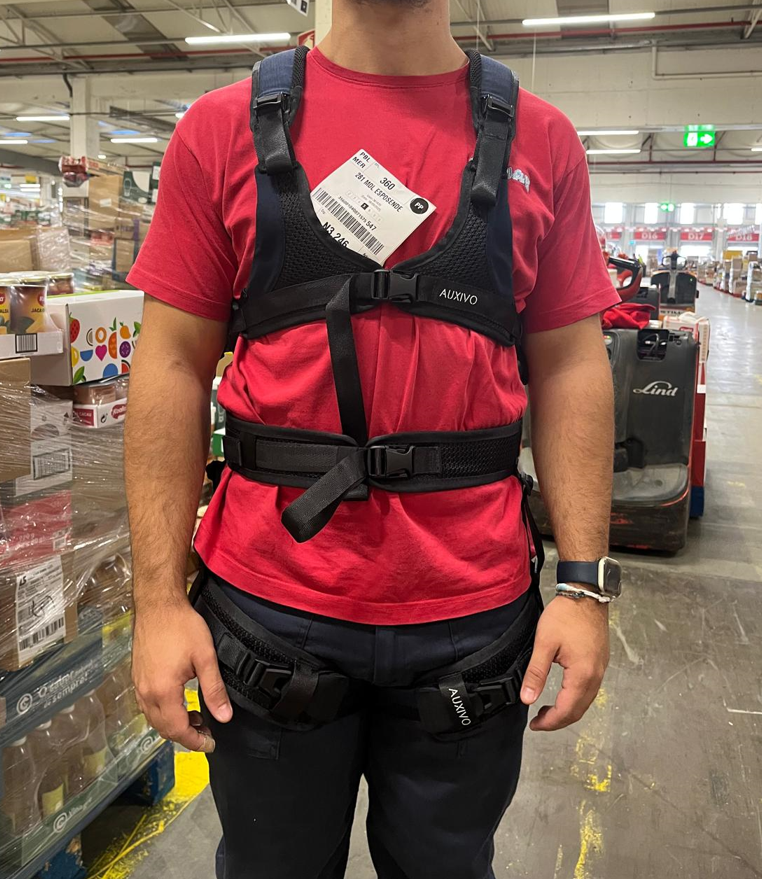
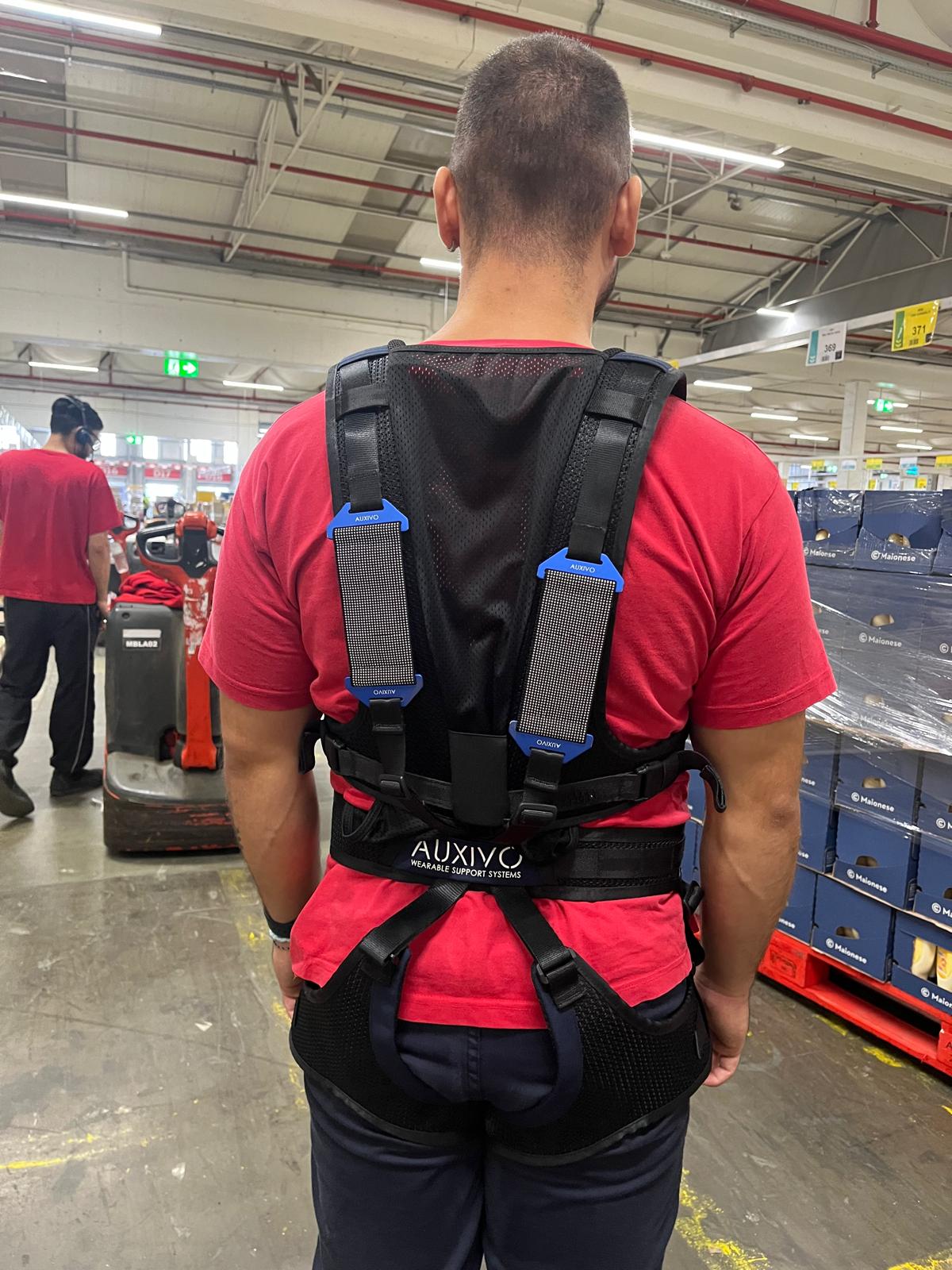
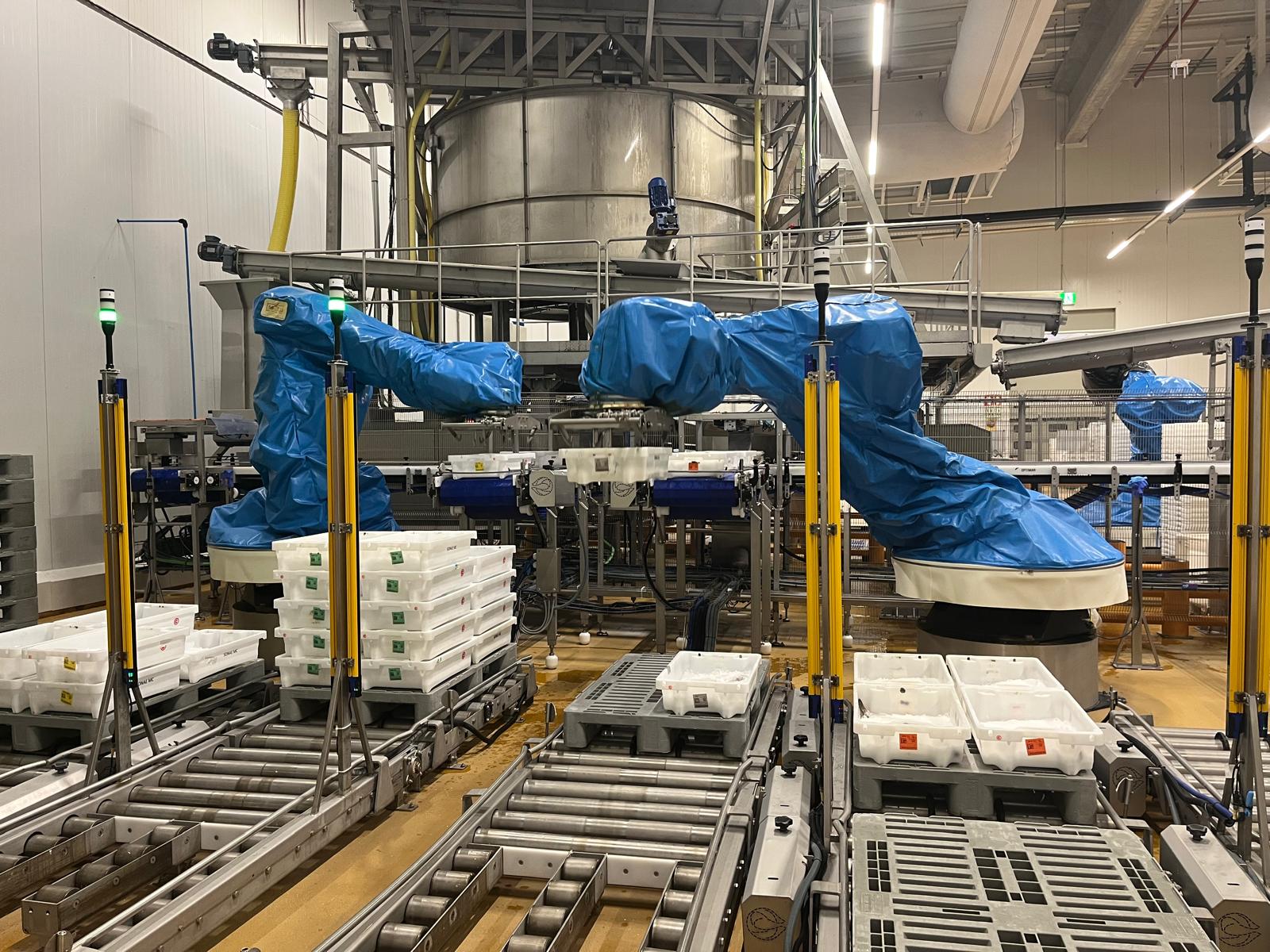
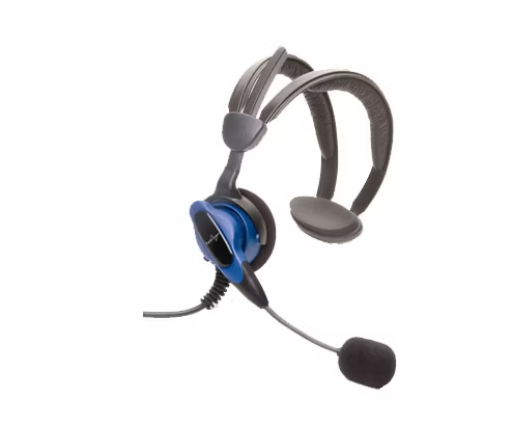
The pilot evaluates a portfolio of complementary technologies aimed at reducing workload and improving safety. Ergonomic exoskeletons were assessed regarding the objective of mitigating strain during repetitive handling. Voice-command picking systems support hands-free operation, improve accessibility and reduce errors compared to paper-based picking. Robotic automation is also being tested in specialised areas, including the “Robô Pescado” for fish processing, which takes over heavy and repetitive pallet-building tasks.
Further interventions under study include autonomous mobile robots in warehouse environments, automated or hybrid picking systems and a new generation of fish-handling robots for the Maia warehouse.
SEISMEC partners support evaluation with stress and fatigue monitoring and ergonomic modelling planned to provide objective insight into physical and cognitive workload, and eye-tracking analysis to improve interfaces and interaction flows. Privacy, consent and anonymisation are treated as core design principles, particularly for wearable-based monitoring.
Workplace innovation and design thinking guide the approach so solutions are co-created with users and tested in real operational contexts. Workers are involved through interviews, focus groups, field observations and feedback during trials. This helps identify workflow mismatches, usability issues and unintended consequences early.
CAPS empowerment factors are used to manage trade-offs. Automation is treated as supportive rather than substitutive, safety improvements are linked to job quality, and productivity targets are balanced with privacy and trust.
Technologies are tested where the work happens, across picking, internal transport and specialised processing. Early effects include reduced physical burden in fish processing and improved efficiency and accuracy through voice picking.
Initial lessons underline the need for adaptability. Some operators showed limited interest in early exoskeleton models, pointing to the importance of lighter and more flexible designs. Robotic integration also requires careful workflow redesign to avoid bottlenecks or new sources of strain. Wearable-based monitoring demands transparent communication and clear governance to prevent perceptions of surveillance.
This pilot applies Industry 5.0 in practical terms, using human-centric technologies to reduce physical load, improve safety and support sustainable logistics operations.
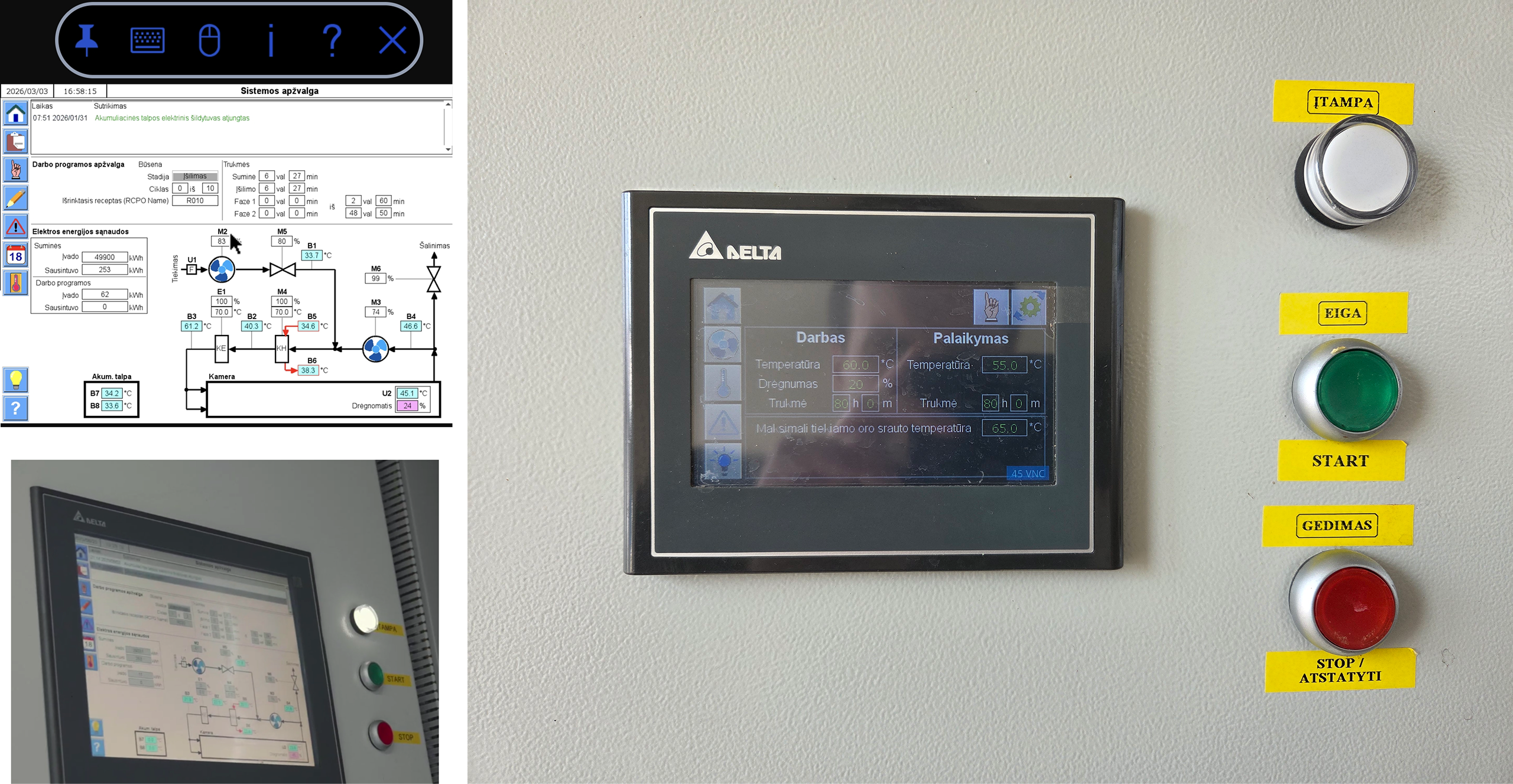
The pilot redesigns work processes using AI, IoT and related tools to increase autonomy, reduce mental load and support better decisions. Technically, Kvalitetas is exploring AI (publicly available in the market) and IoT solutions alongside Manufacturing and Warehouse (integrated into RIVILE GAMA software), Odoo CRM (with AI functionality) Systems to support both management and manufacturing activities.
The tools aim to improve monitoring of production parameters, support inventory and material balance management, improve routine administrative and planning tasks, and strengthen food safety implementation. AI-based tools are also being explored for marketing and communication, including the creation of promotional and educational content that translates scientific and biological product information into accessible messages for consumers interested in functional nutrition and personalised diets.
SEISMEC CAPS factors guide choices and assessment, keeping creativity, automation, productivity, safety and job satisfaction in view.