
Elderly and dementia care
Medium-sized care organisation
AI-supported planning & matching tools, digital profiles
Care staff, management, volunteers, informal carers
Cooperative-centric care, workload reduction, quality of life
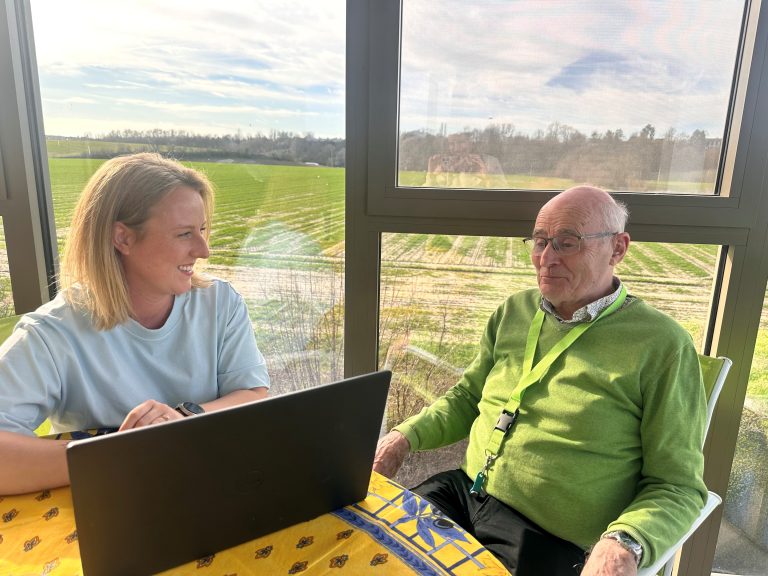
Woonzorgnet-Dijleland runs residential care center De Wingerd in Leuven, a specialised care home for young and older people living with dementia. The organisation has invested in human-centred working practices and care quality, yet structural pressure is increasing. Demand is rising, dementia care is more complex, workforce availability is constrained, and public funding is under strain.
Within SEISMEC, De Wingerd is testing how AI-enabled coordination can support a cooperative-centric care model, where care is provided not only by professionals but also by family members, volunteers, students, neighbours and residents themselves, each contributing according to their capabilities.
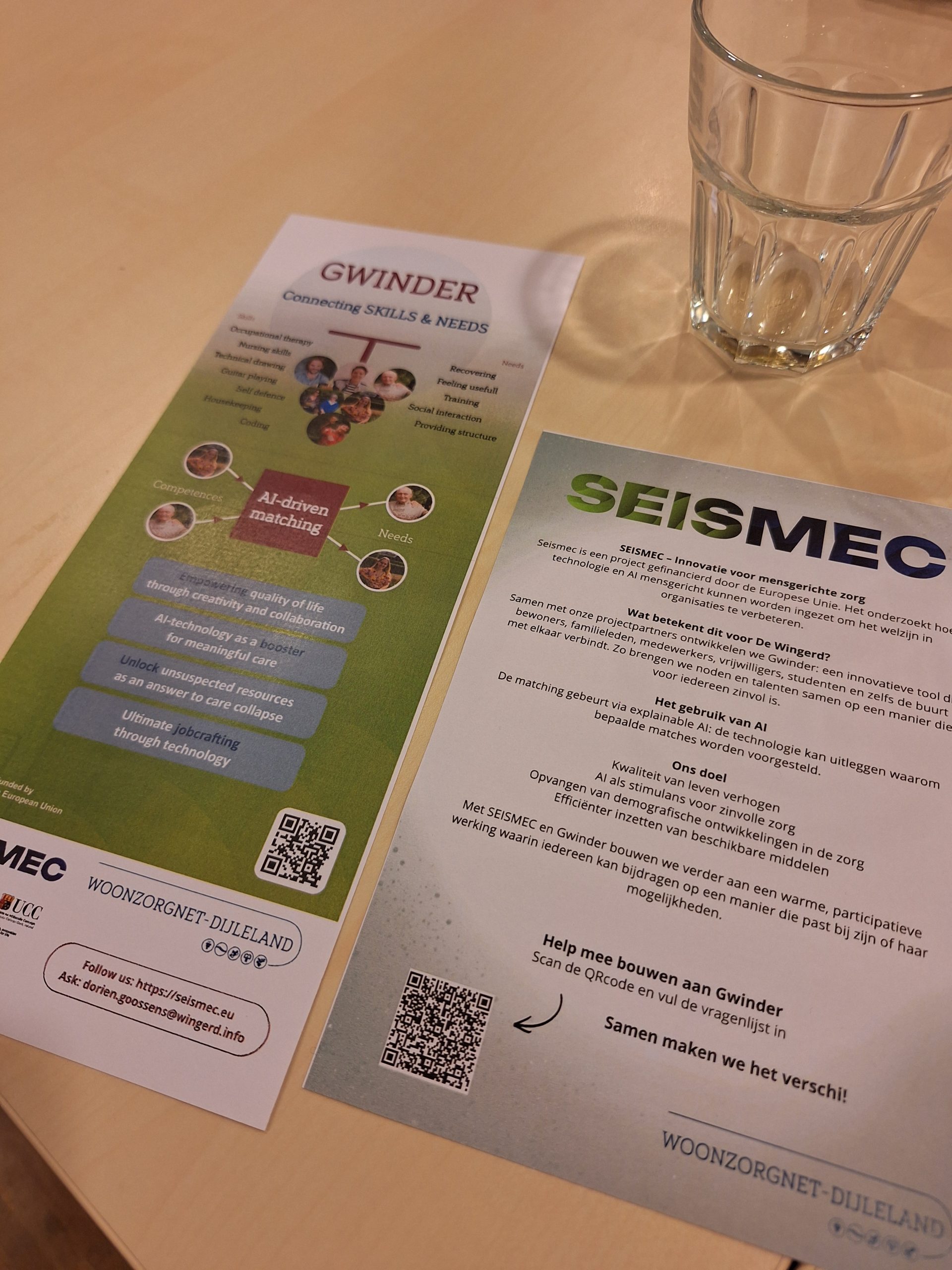
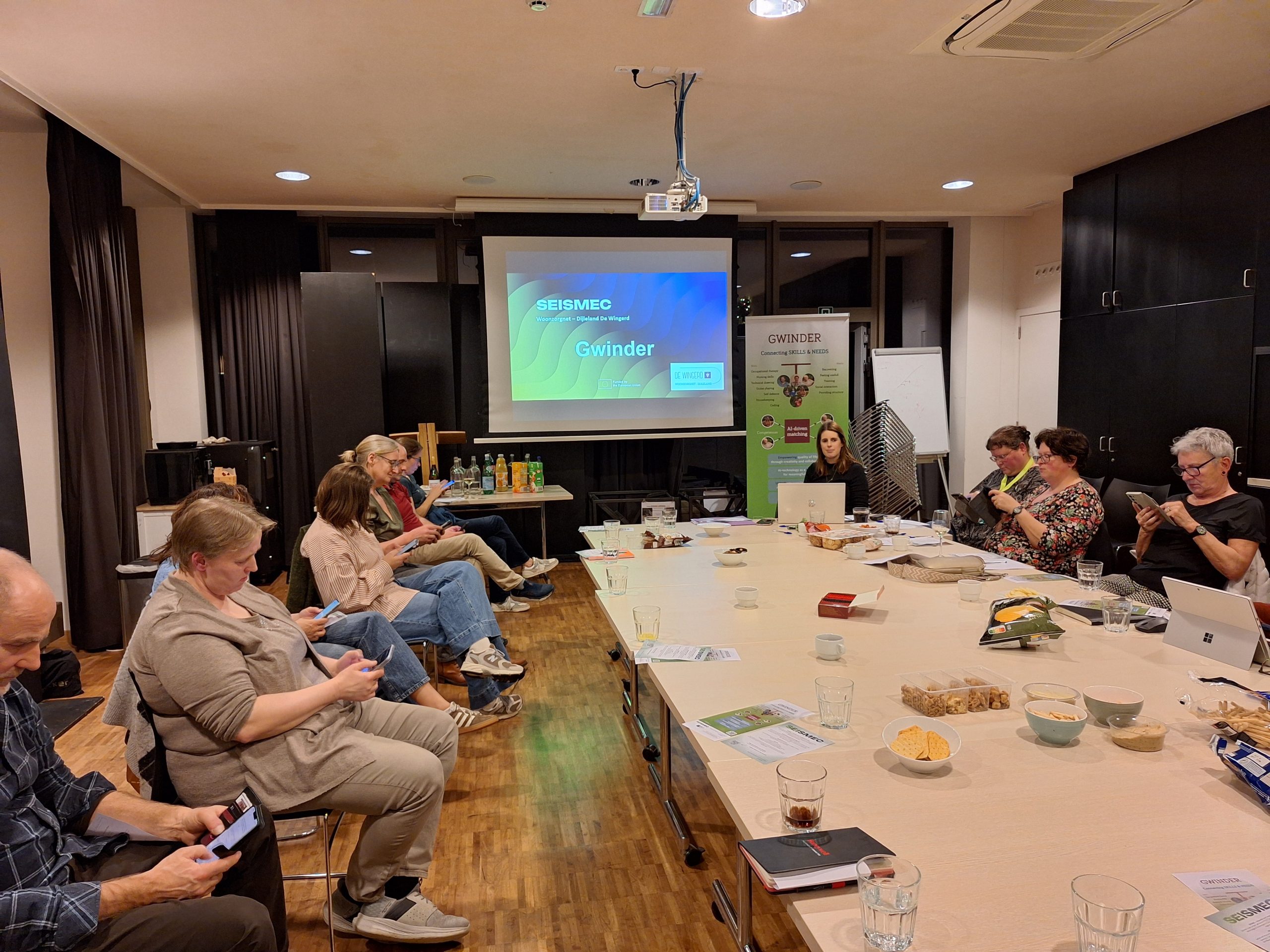
The pilot upgrades existing digital infrastructure with AI-supported functionality to improve care coordination. At the centre is a planning and matching tool designed to support feasible day-to-day schedules, match resident needs with specific skills and capabilities across different actors, and detect emerging trends that point to future training needs or gaps in capacity.
The system is designed to support cooperation, not replace human decisions. Human-in-the-loop principles and digital human models are used to strengthen transparency, interpretability and accountability.
Care staff, residents, family members and other stakeholders contribute through interviews, brainstorming sessions and co-creation activities. Their input shapes what the tool should prioritise, how information is presented, and what “good matching” looks like in real care situations.
To reduce privacy and ethical risks in early testing, the prototype is first validated using synthetic profiles before moving towards real-world data use under appropriate safeguards.
The pilot builds on existing systems such as BelRAI and Fixform. Integration depends on contractual agreements, with fallback options for secure data extraction when full integration is not feasible. Technology partners support additional planning and matching functions, while research partners explore supporting tools such as AI chatbots for profiling, matching and scenario analysis.
CAPS empowerment principles guide implementation, with attention to autonomy, collaboration, safety, privacy and quality of life.
This pilot applies Industry 5.0 in practical terms, using AI-enabled coordination to support empowerment, ethical care delivery and quality of life in dementia care.
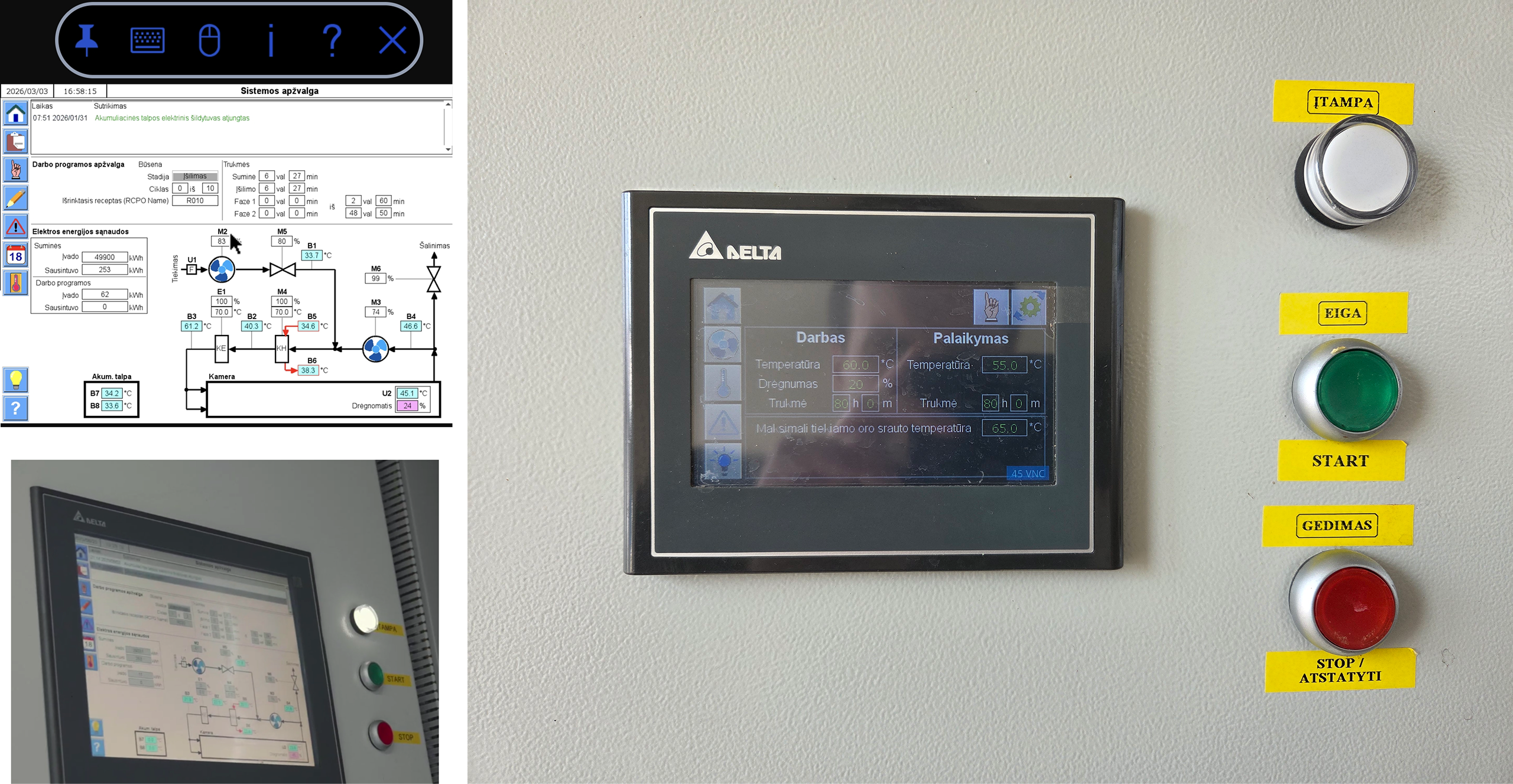
The pilot redesigns work processes using AI, IoT and related tools to increase autonomy, reduce mental load and support better decisions. Technically, Kvalitetas is exploring AI (publicly available in the market) and IoT solutions alongside Manufacturing and Warehouse (integrated into RIVILE GAMA software), Odoo CRM (with AI functionality) Systems to support both management and manufacturing activities.
The tools aim to improve monitoring of production parameters, support inventory and material balance management, improve routine administrative and planning tasks, and strengthen food safety implementation. AI-based tools are also being explored for marketing and communication, including the creation of promotional and educational content that translates scientific and biological product information into accessible messages for consumers interested in functional nutrition and personalised diets.
SEISMEC CAPS factors guide choices and assessment, keeping creativity, automation, productivity, safety and job satisfaction in view.